TheBlue
TheRed
&
TheRind
The Blue,
The Red
&
The Rind
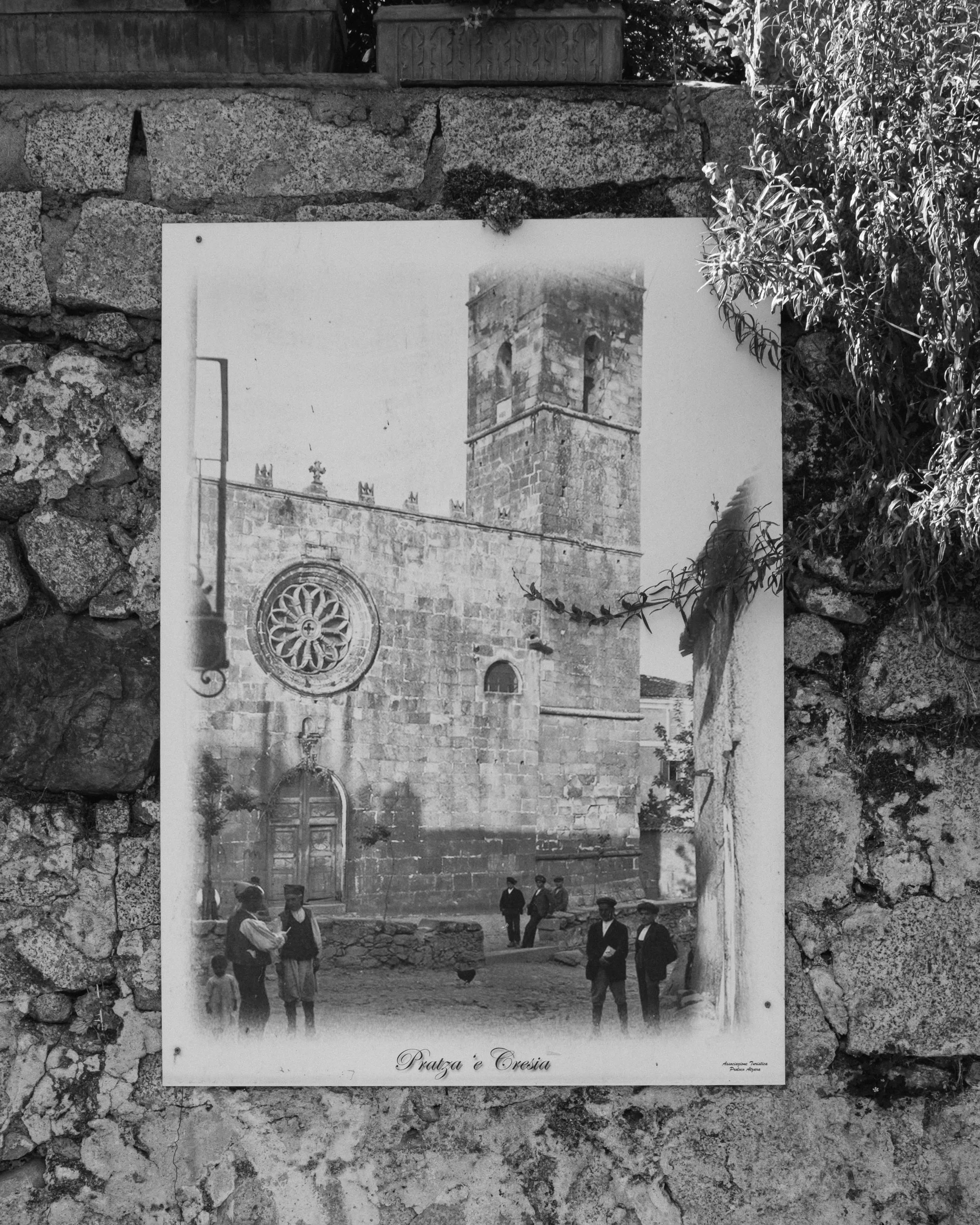
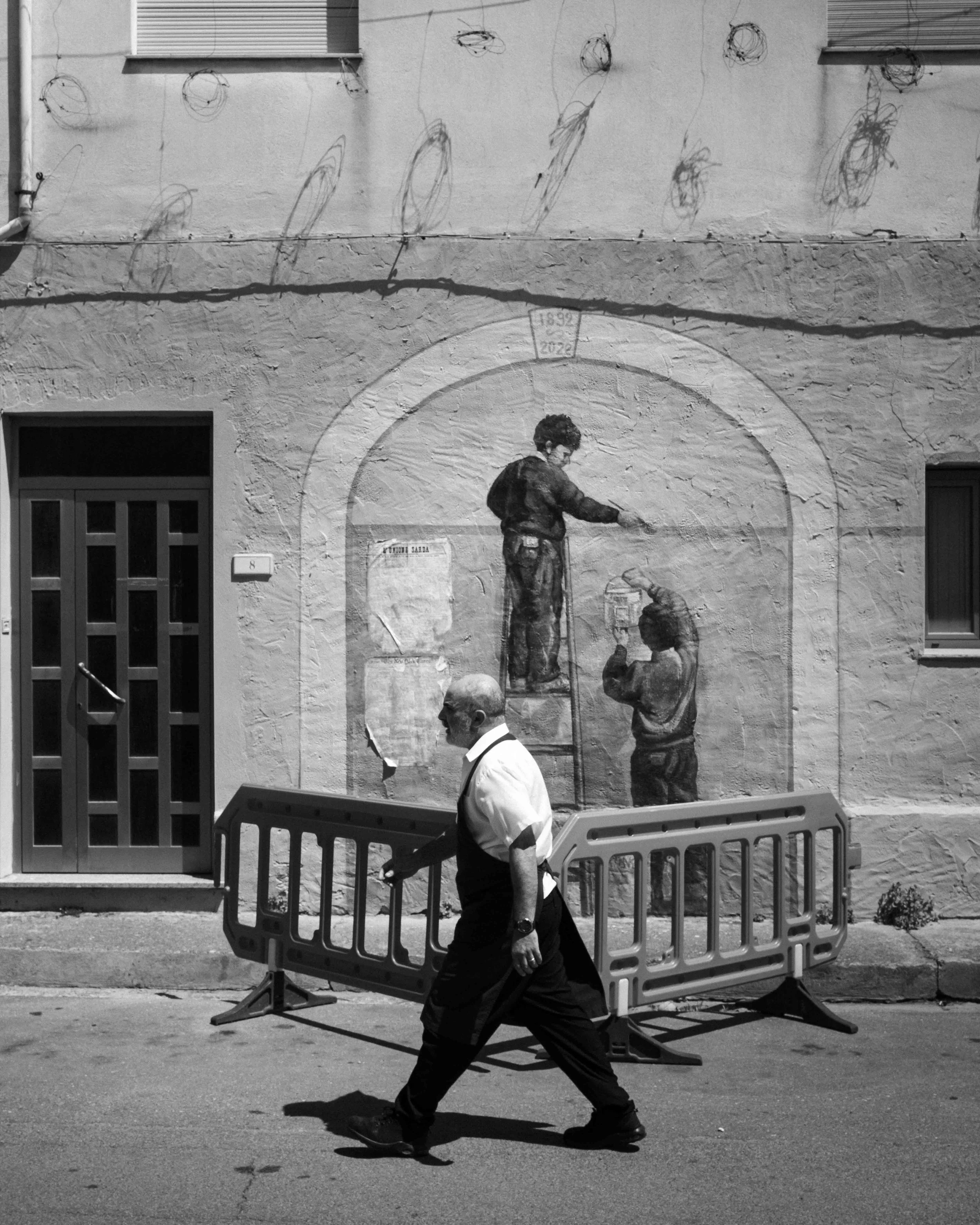
Most people know Sardinia for its coastline. I went inland, to the centre of the island, where the hills are full of sheep and the villages are full of people quietly making things.
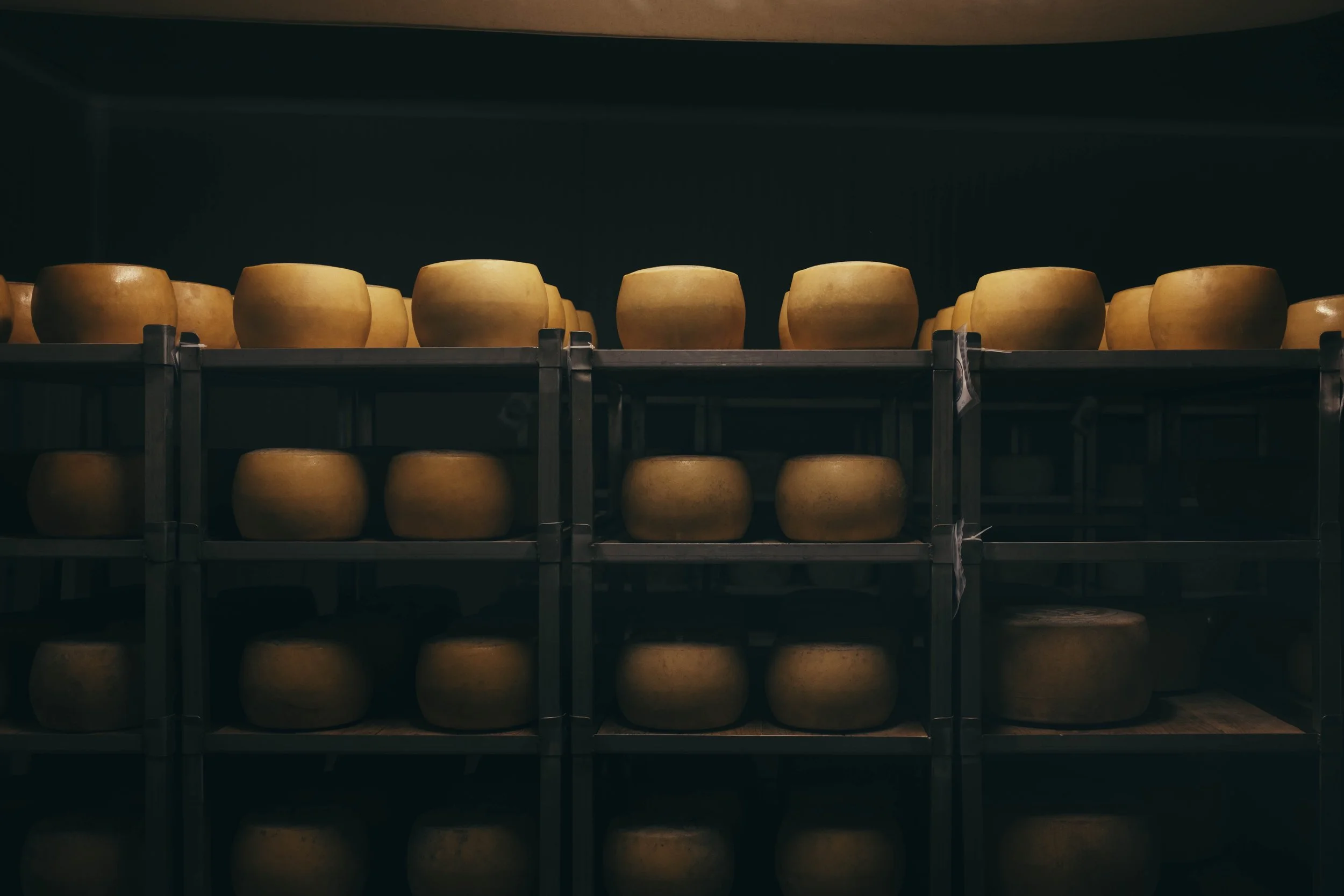
Sardinia's makers have spent a long time competing for recognition against Tuscany and Piedmont. The island grows Cannonau and Vermentino, has its own sheep breed, its own bread, its own grammar for how food is supposed to work — and it has casu marzu, the pecorino left open to the cheese fly, which has been illegal to sell in Italy since 1962 and is still made, and still eaten, and still passed between people who know each other. Some of the best things here exist a little to the side of the rules.
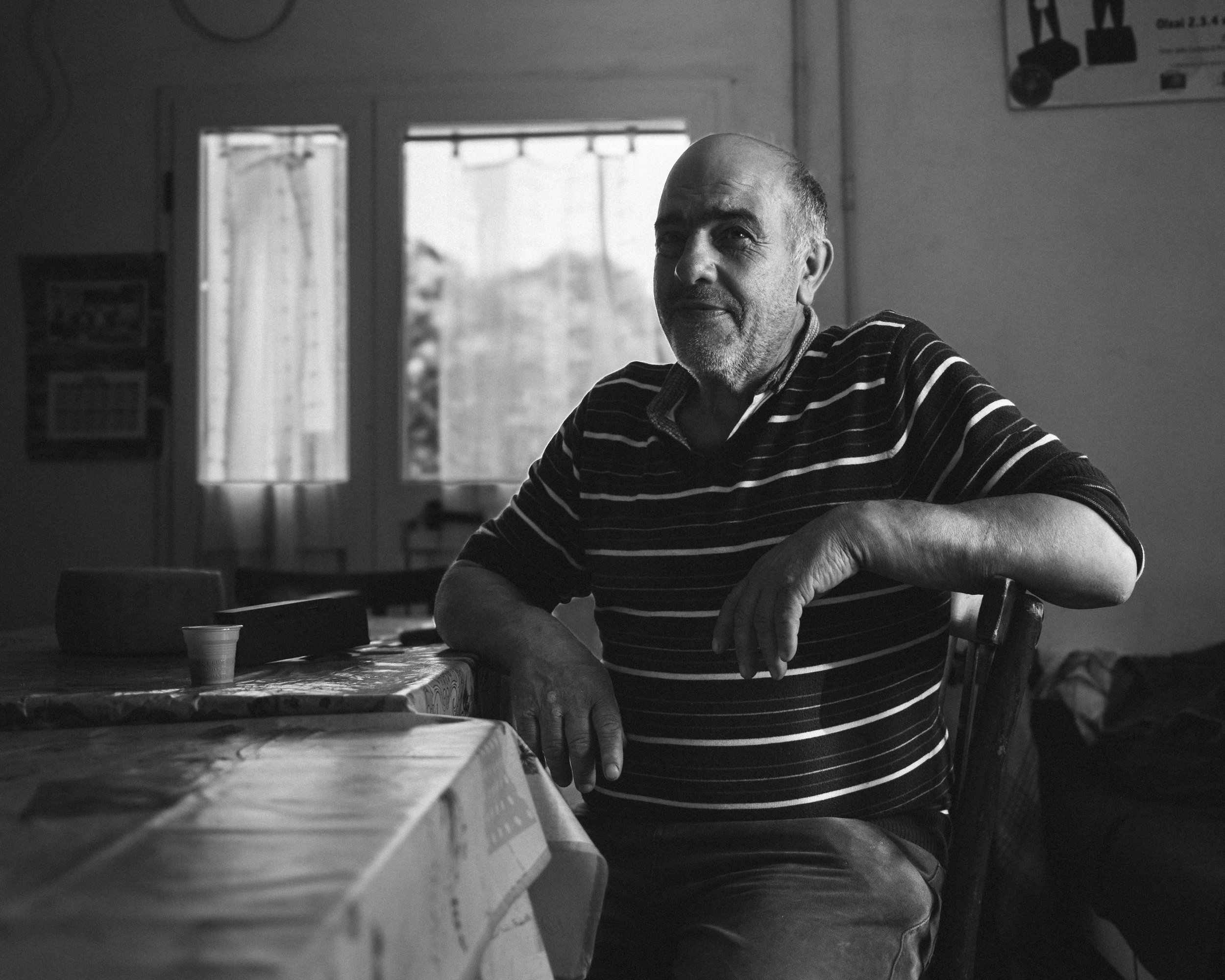
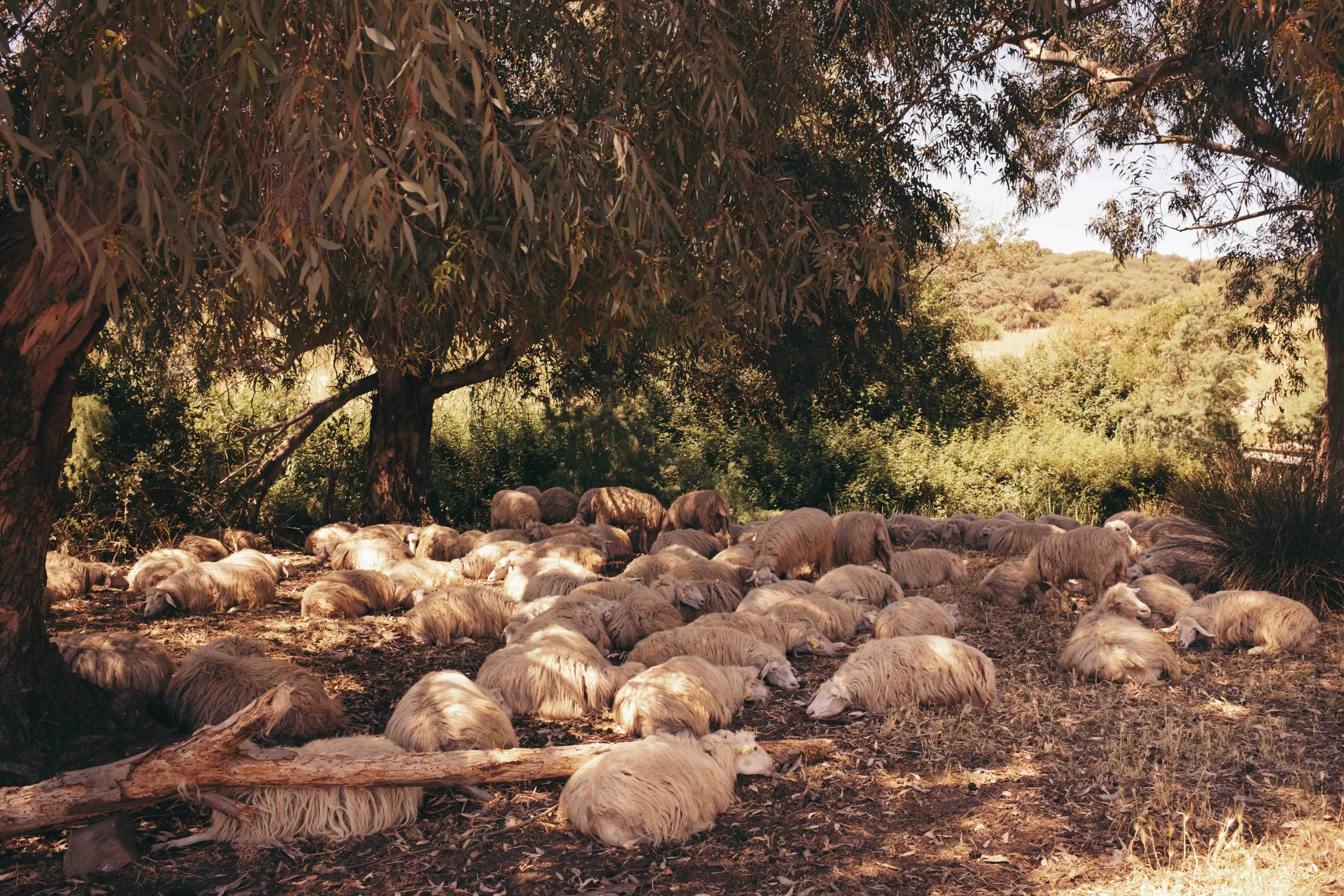
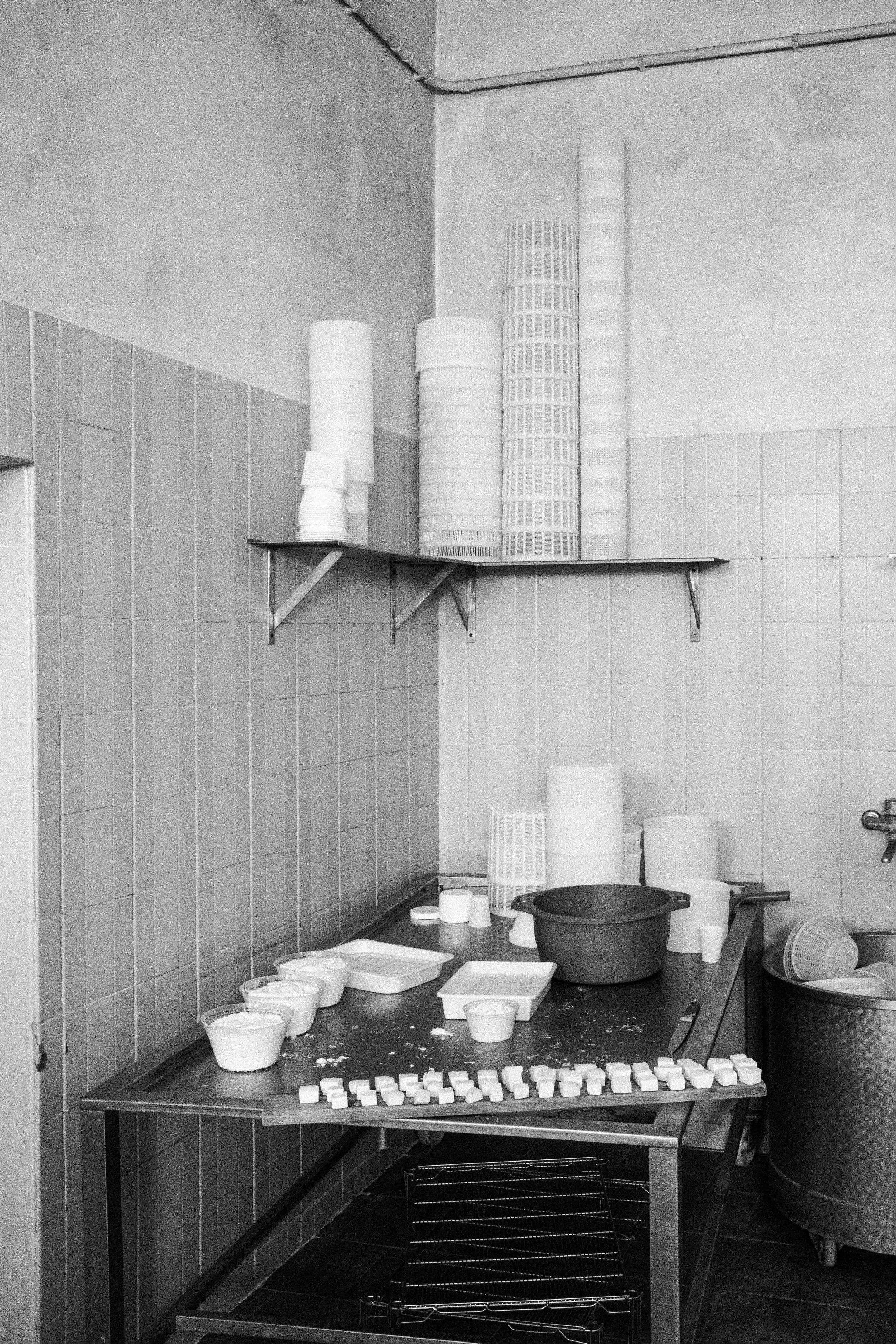
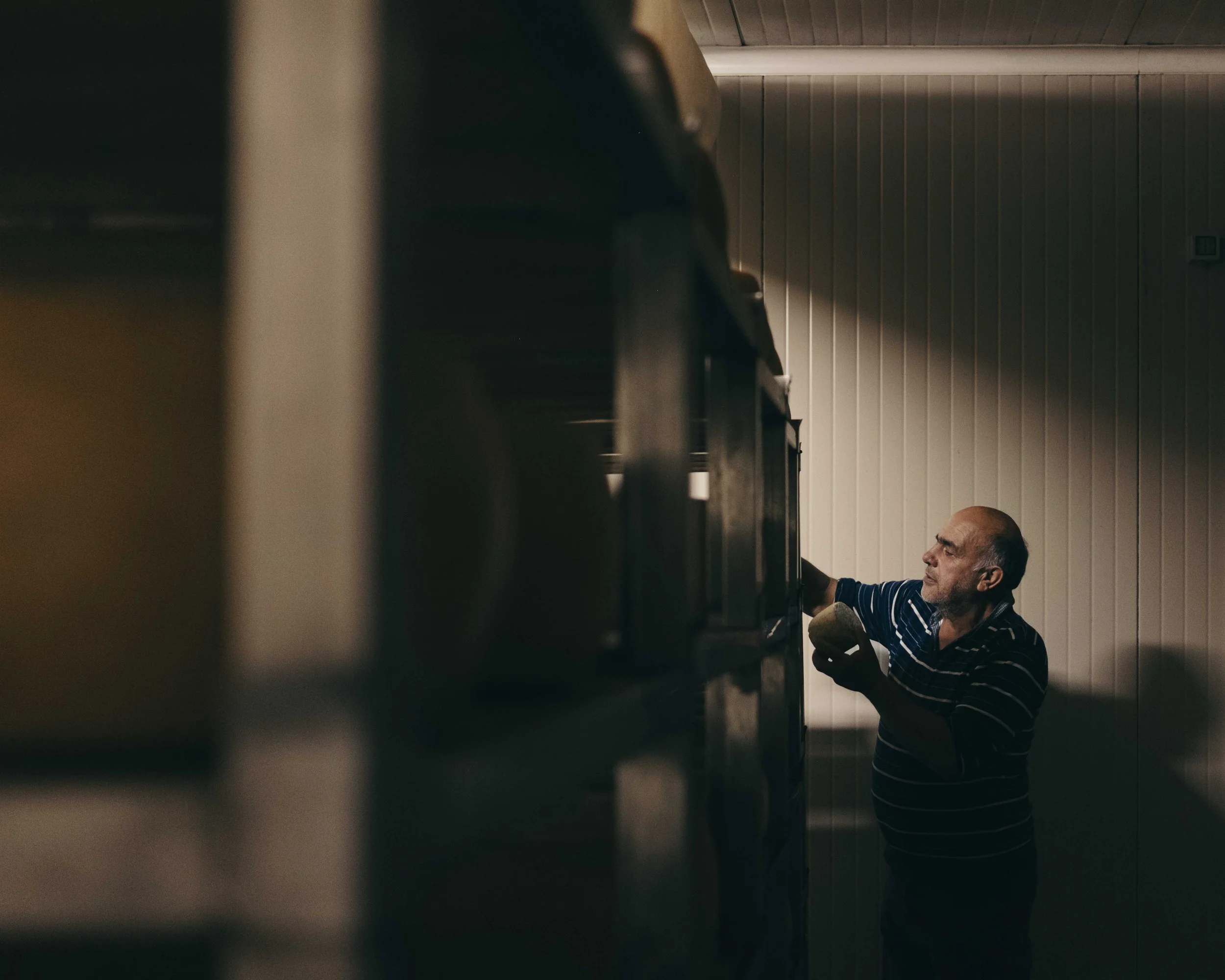
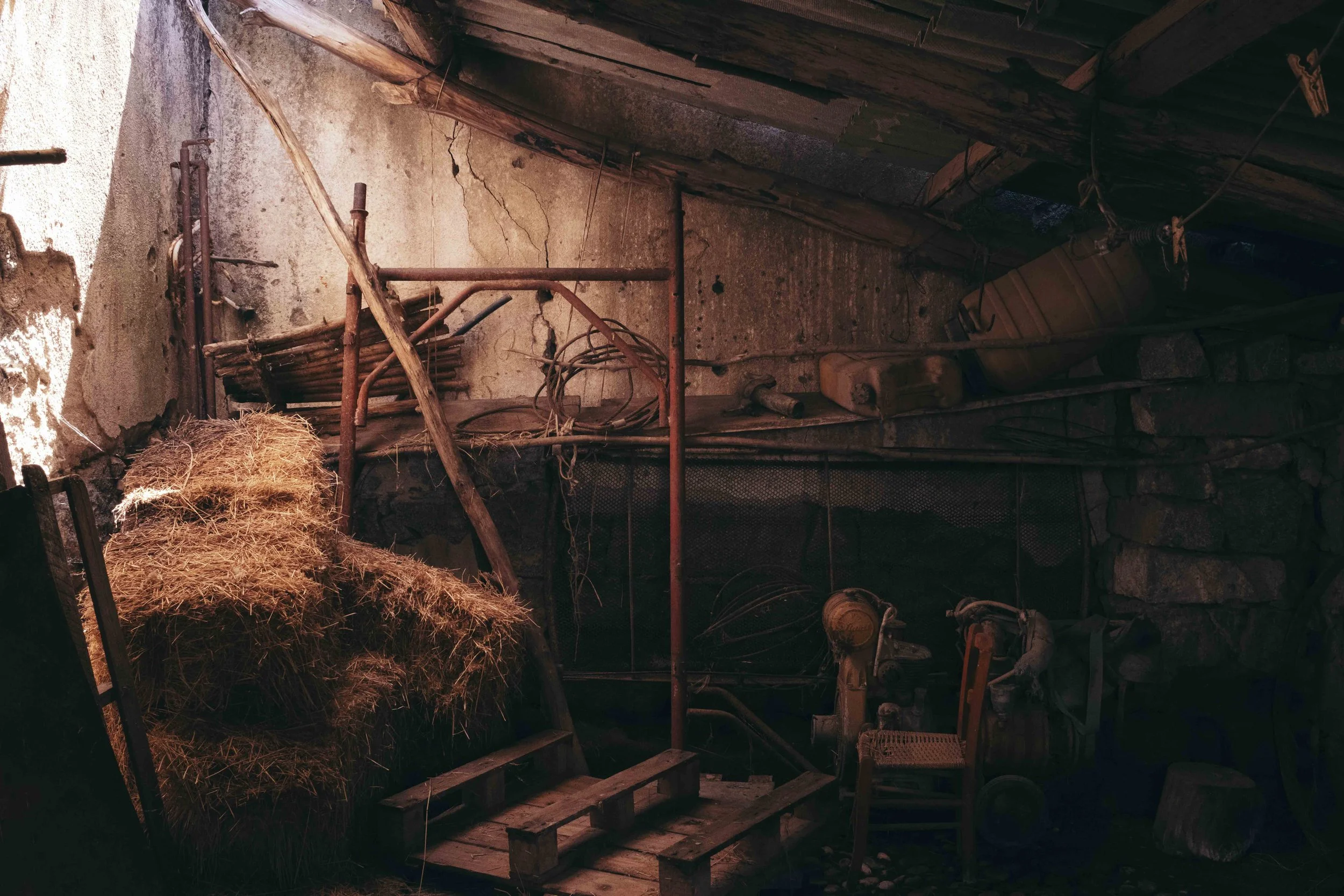
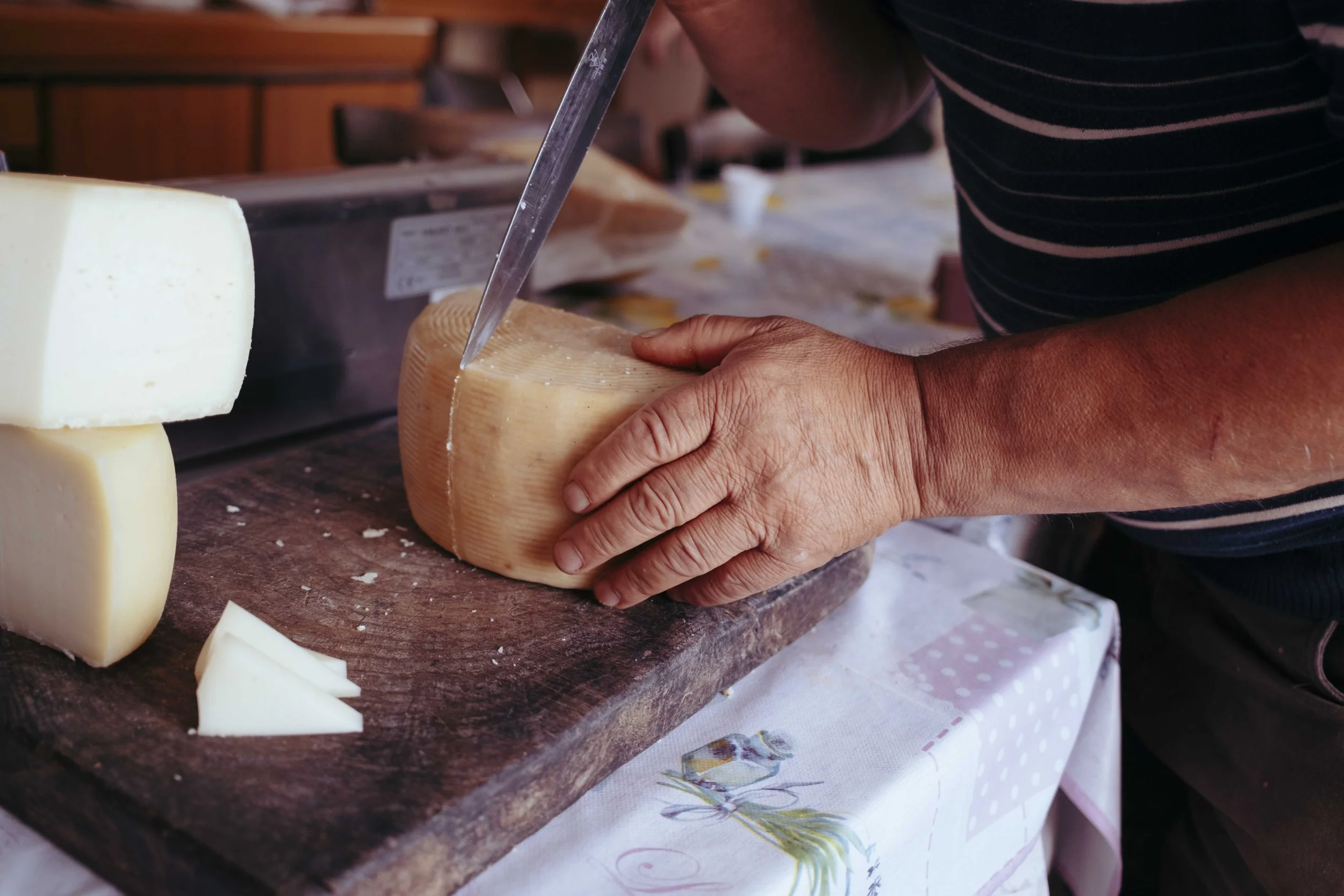
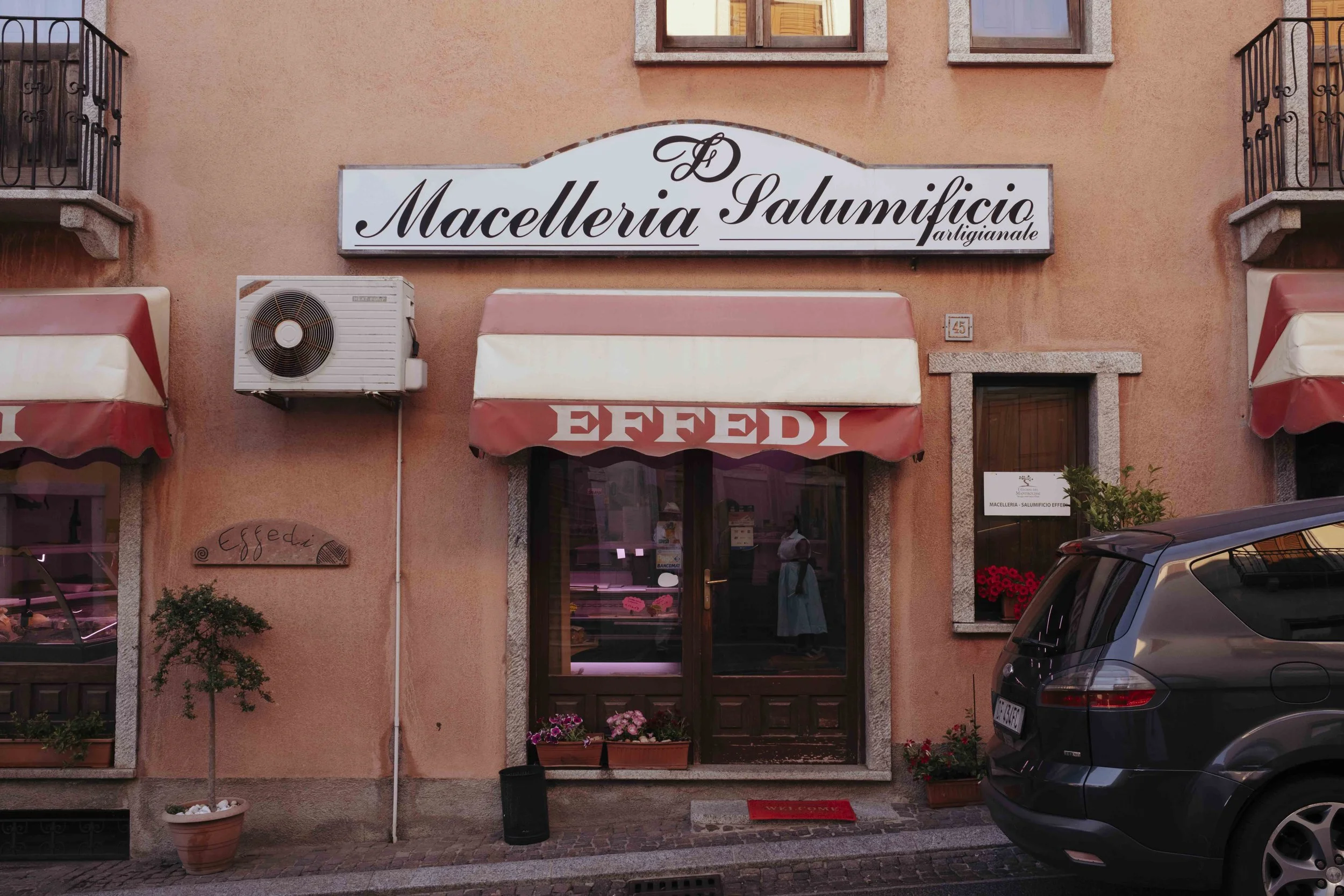
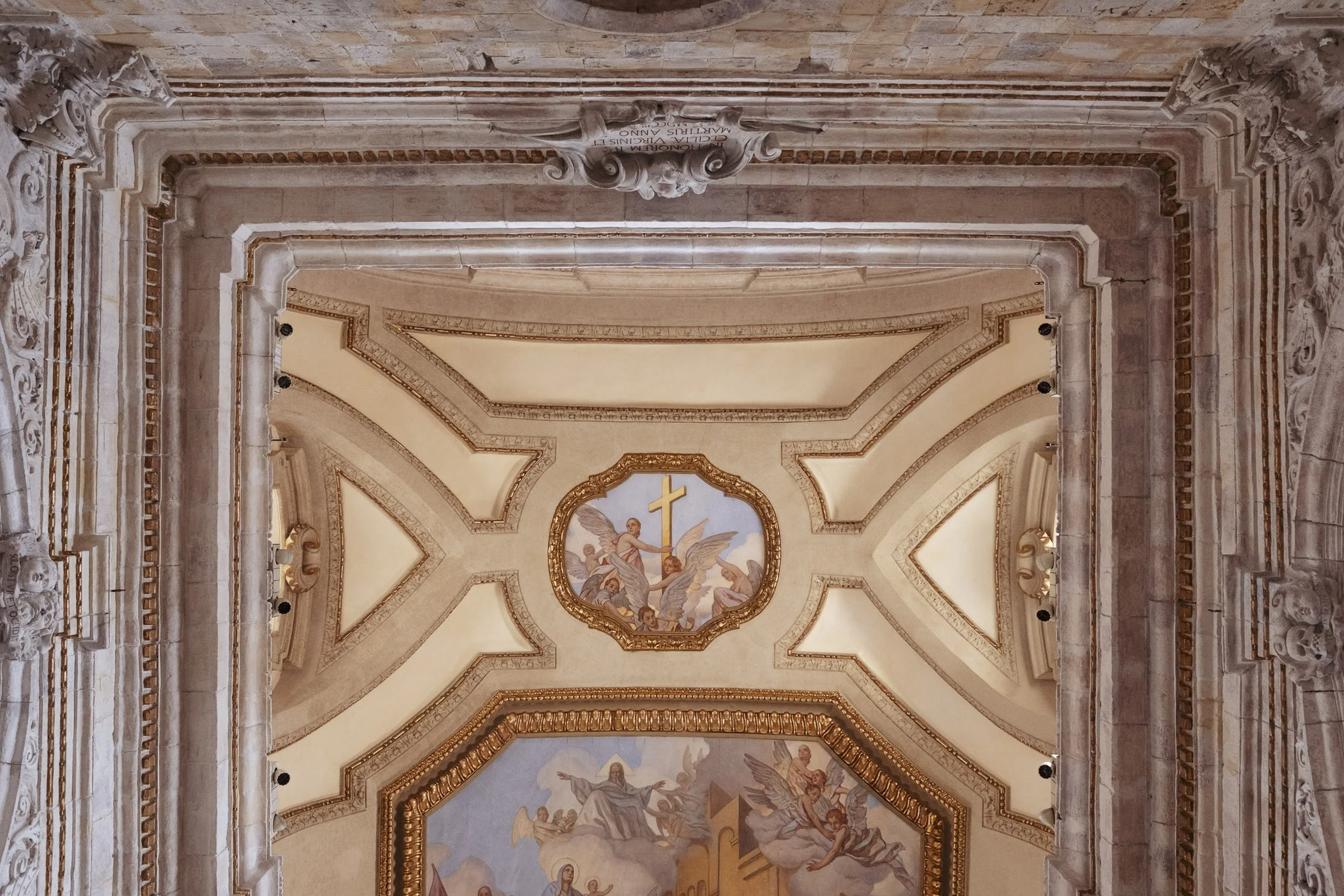
What I found was less romantic than the postcard version and much more interesting. These are small operations, mostly family-run, and everyone I met was working out how to keep going: how to sell to people who have never heard of their village, how to compete with volume producers, how to persuade a son or daughter that this is a life worth taking on. The traditions are not being preserved. They are being kept alive, which is a different and harder thing.
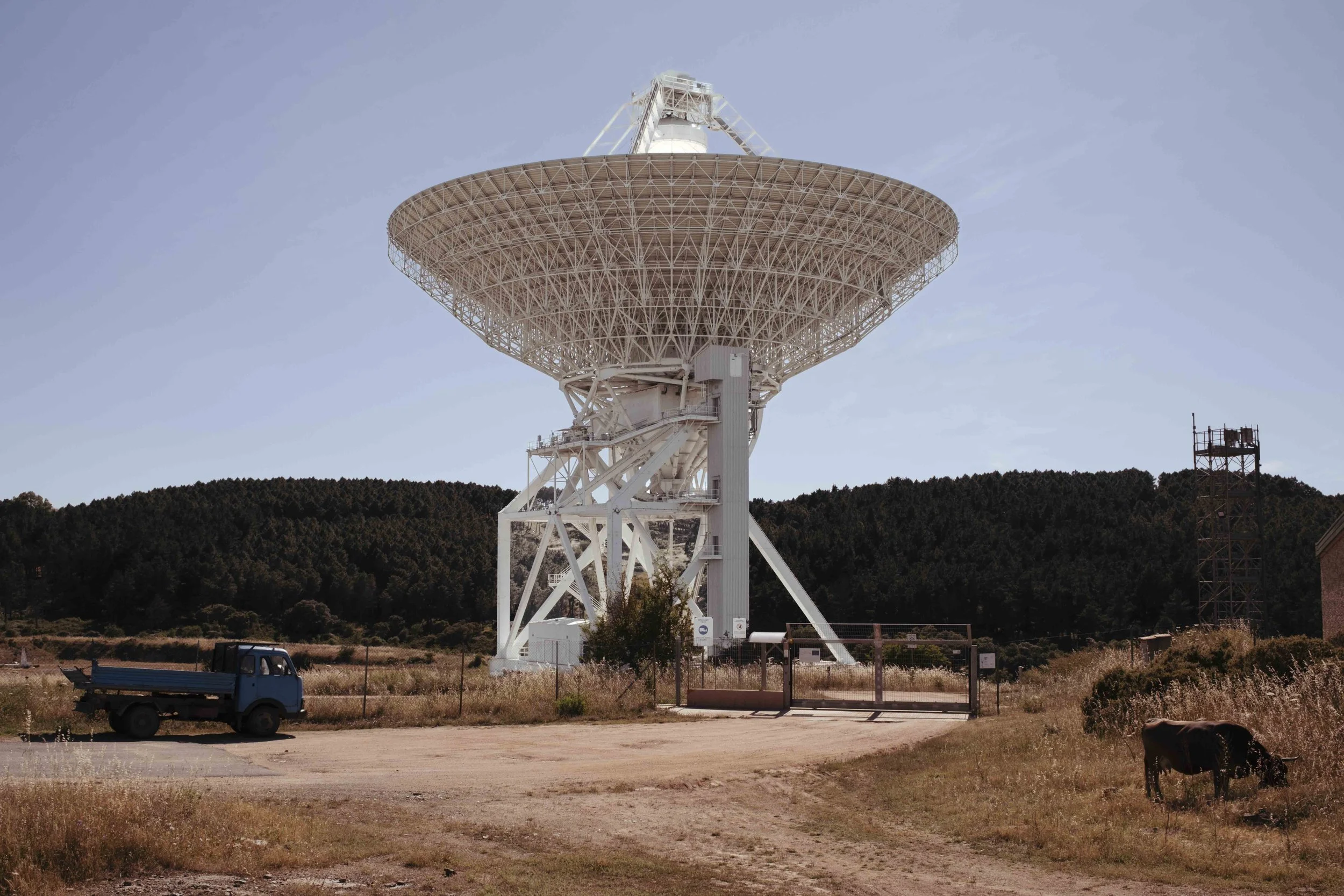
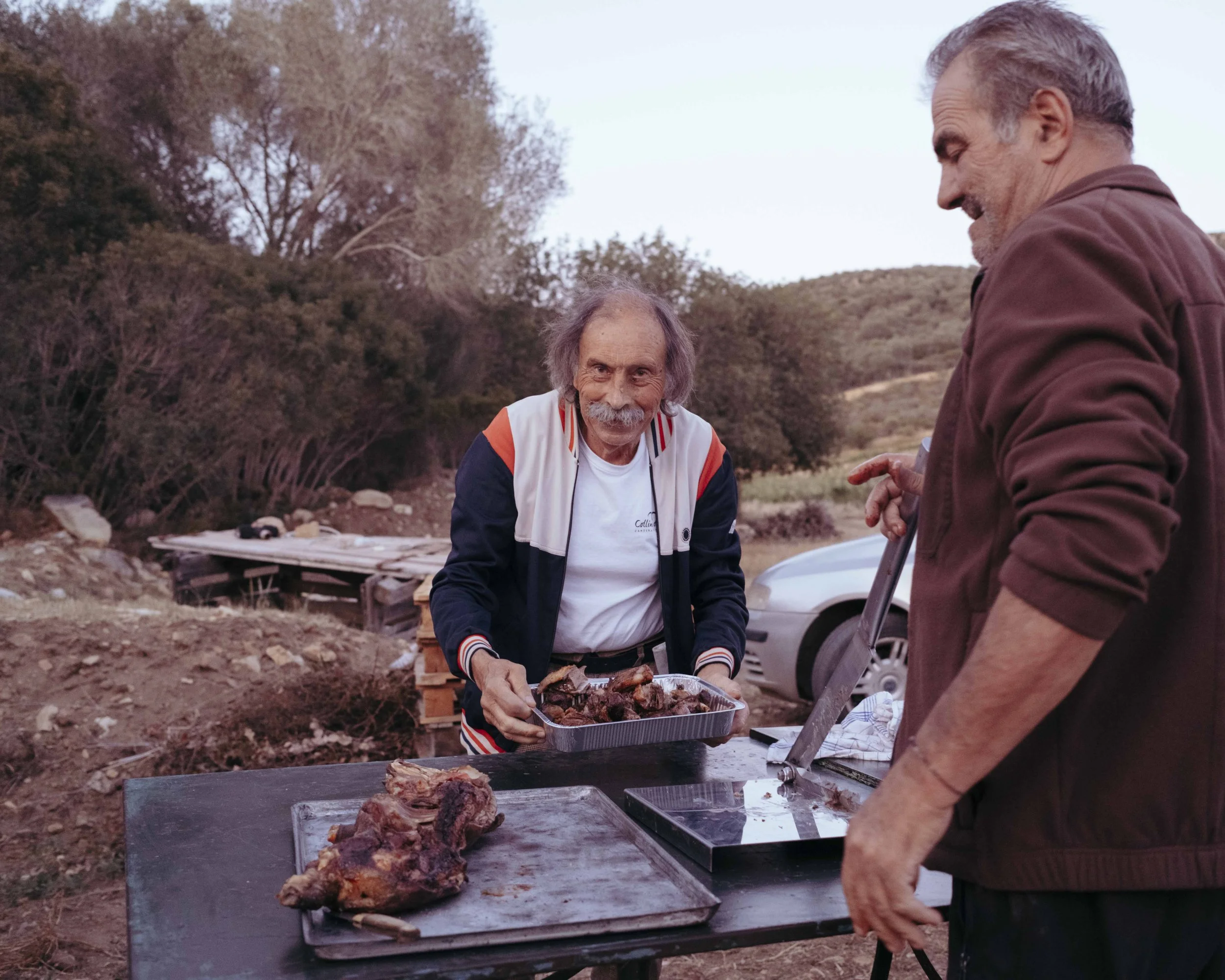
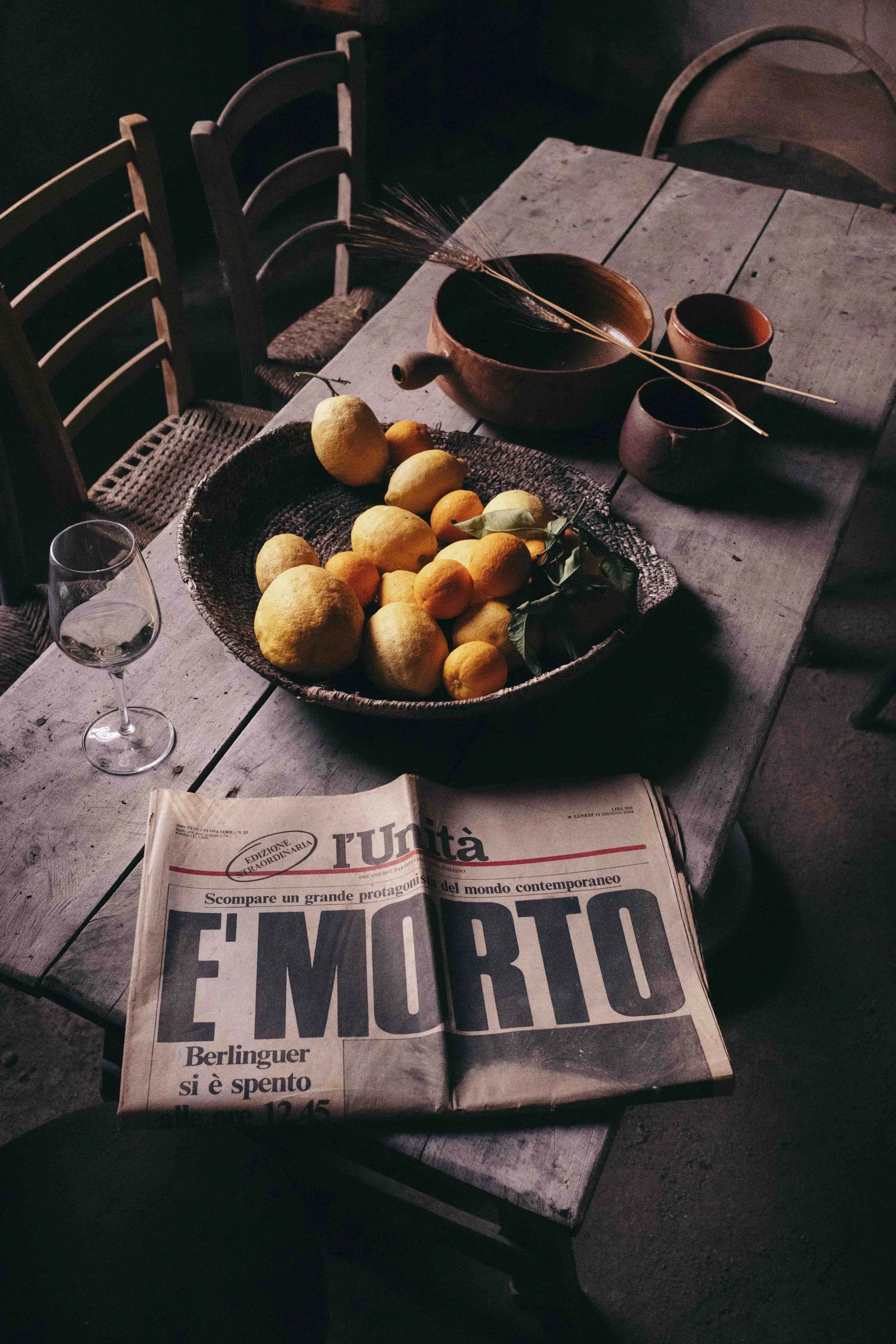
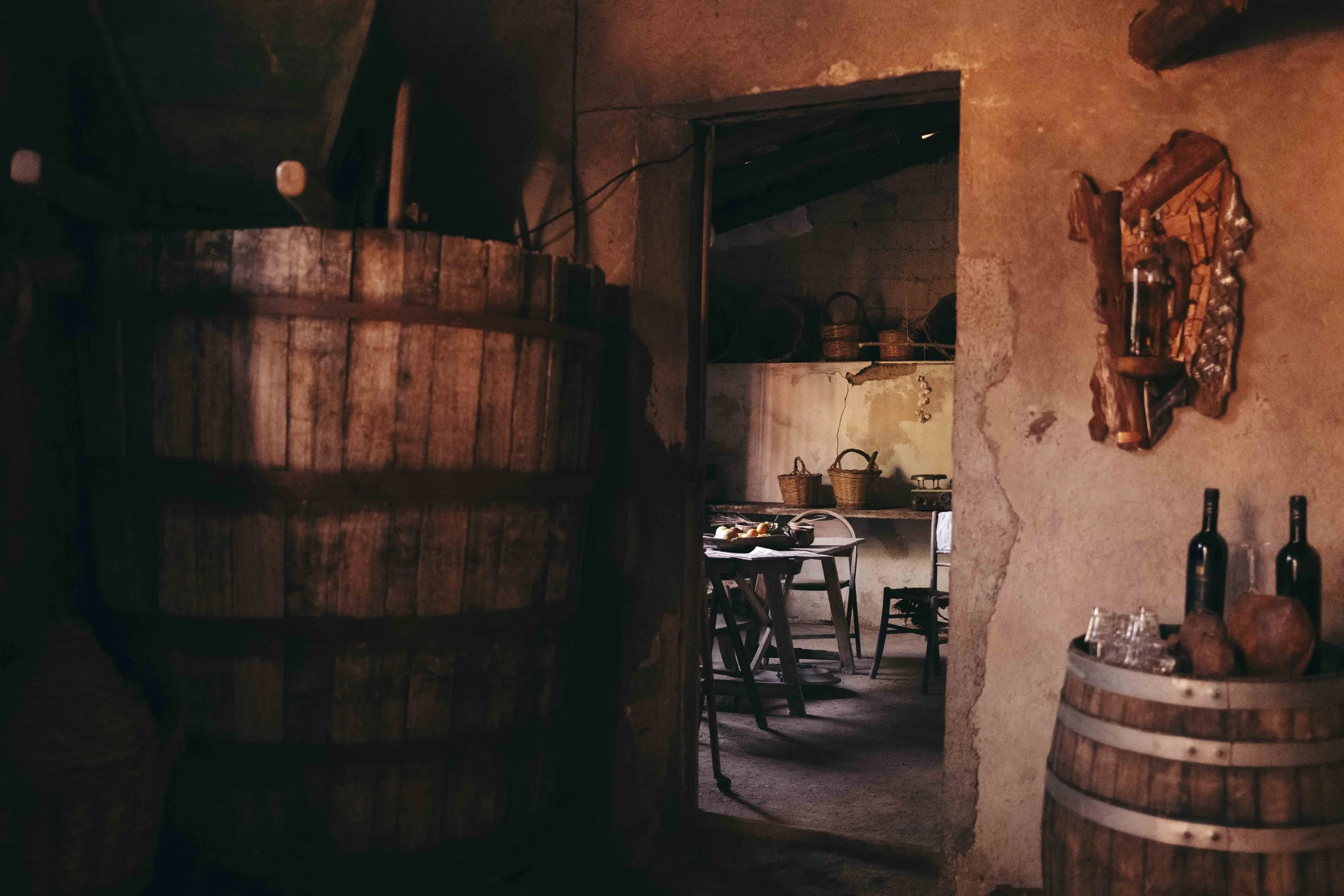
There's a lot of quiet innovation going on, too. One winemaker I met had started making cosmetics from the by-products of her own harvest — the skins and seeds that would otherwise go to waste — because the wine alone would not sustain the business. It struck me as a very Sardinian solution: nothing thrown away, nothing wasted, and a new idea grafted onto an old one without much fuss about it. She talked about the cosmetics the way she talked about the wine.
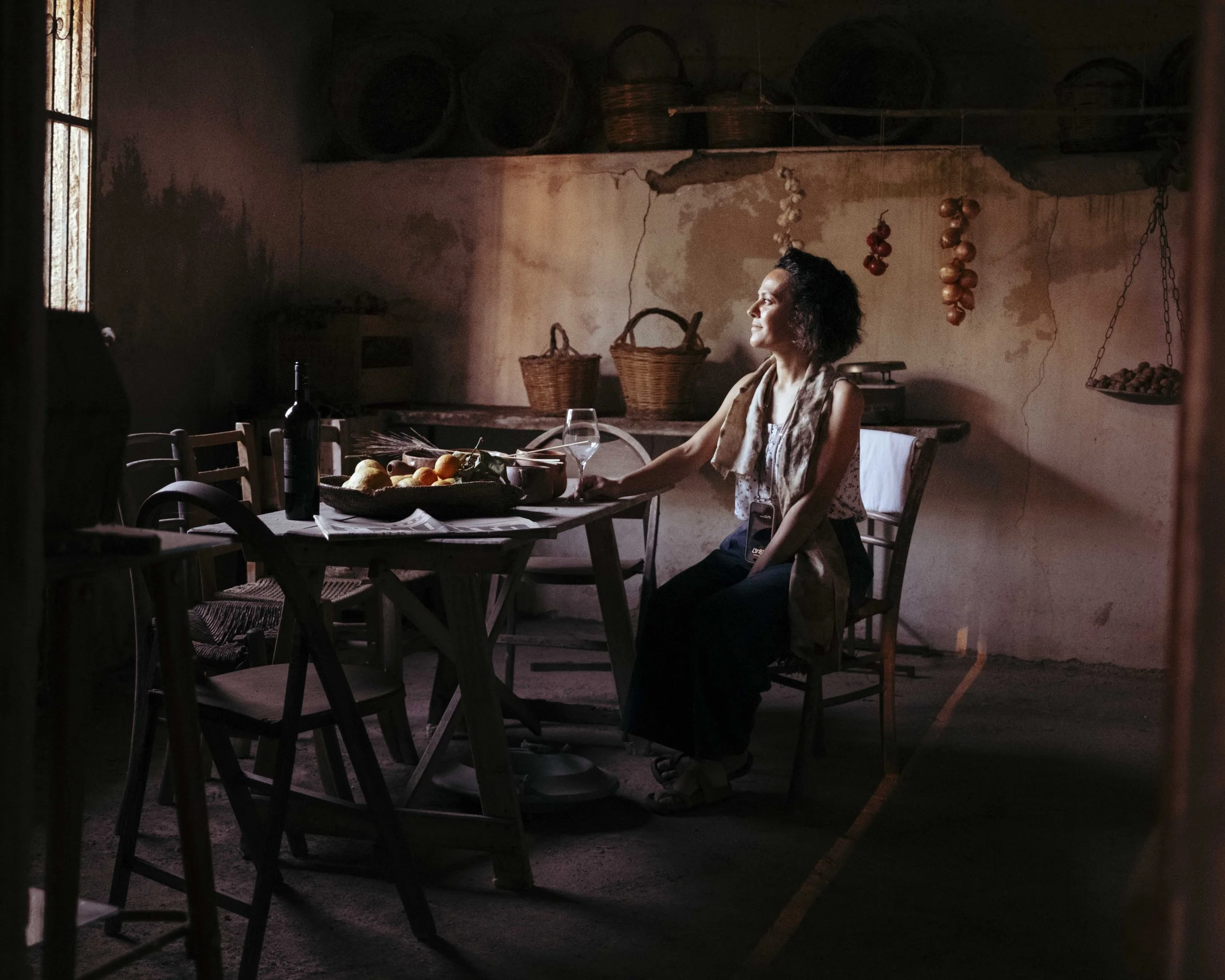
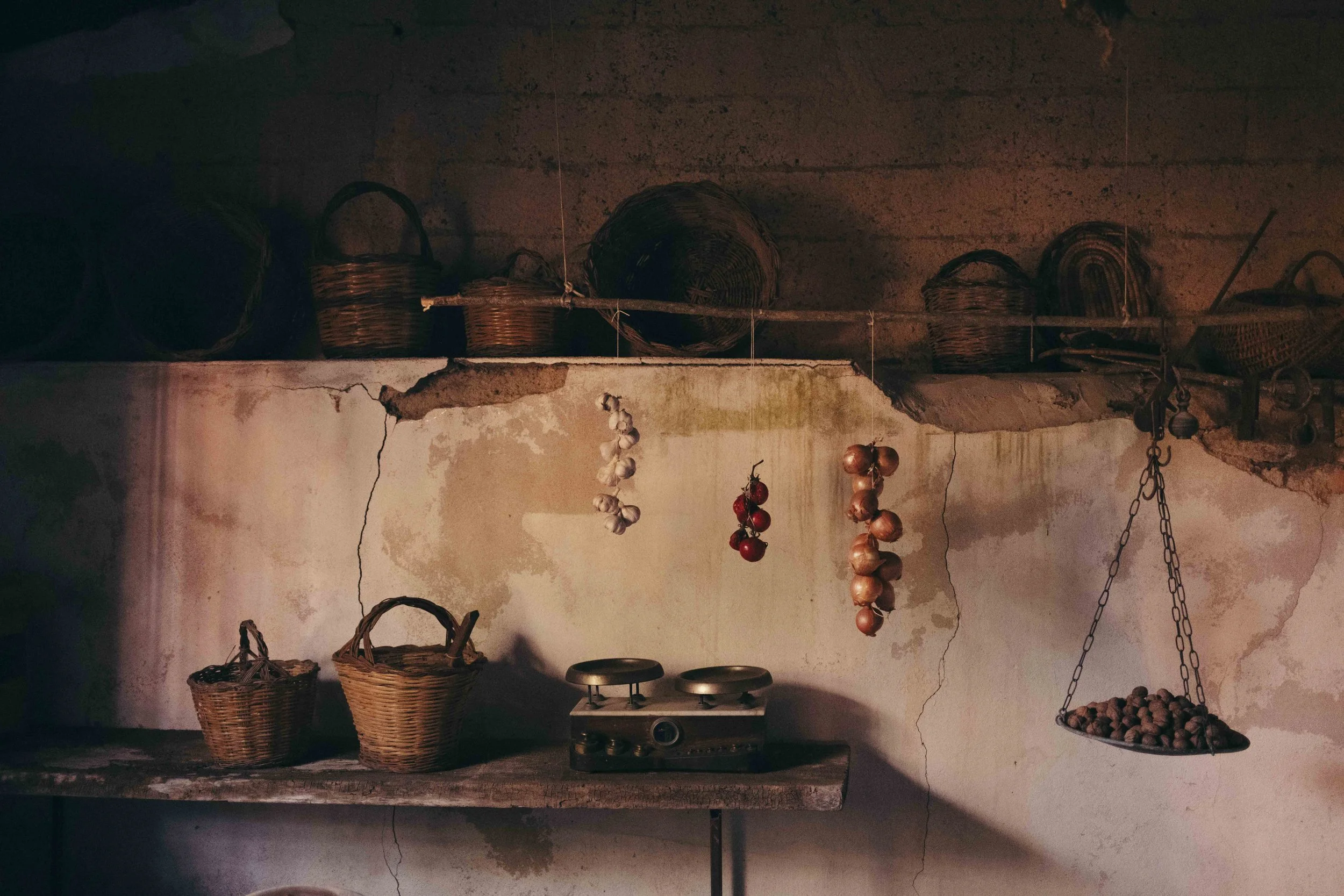
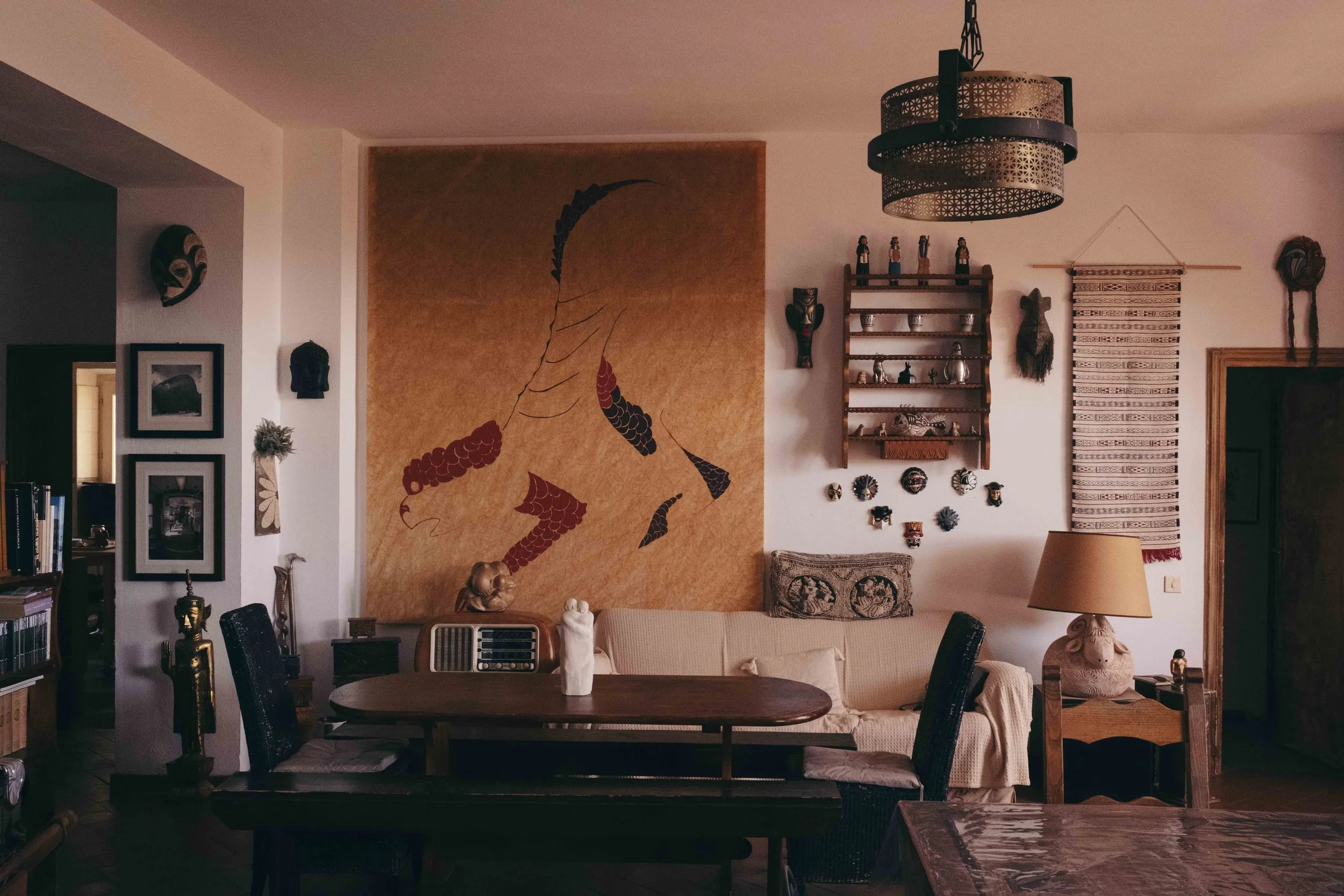
I photographed the makers and the places they work — the cellars, the ageing rooms, the hands, the light coming into buildings that have been used for the same thing for generations. It's the same thing I look for everywhere: people making something, and the rooms they make it in.