The Bridge of Aspiration
Wilkinson Eyre x The Royal Ballet
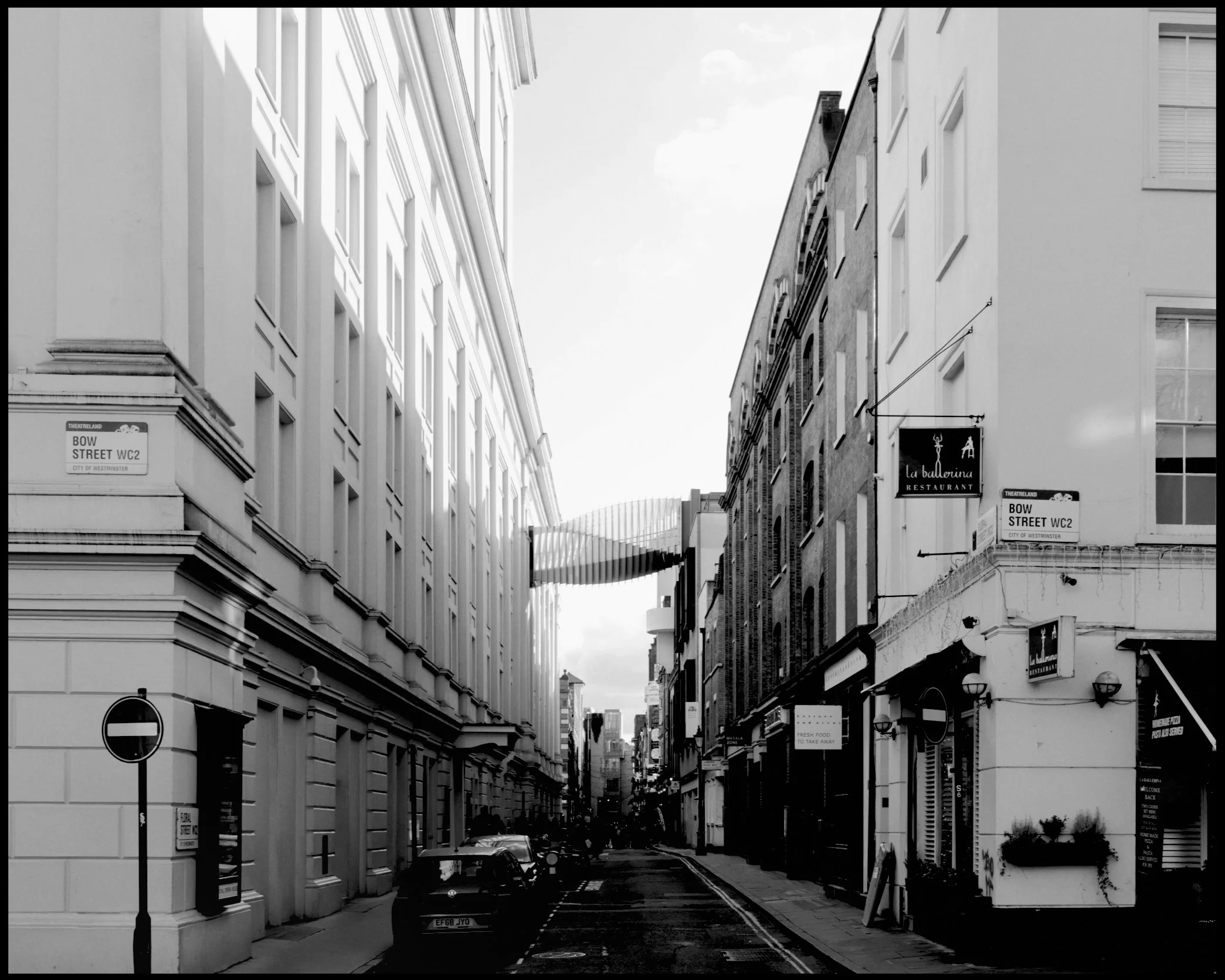
You have probably walked under it. Head down, running to a shop before it closes, late for gallery you cut through Covent Garden towards Long Acre with the crowds coming the other way. Floral Street is narrow enough that you watch your feet and the slippery cobbles.
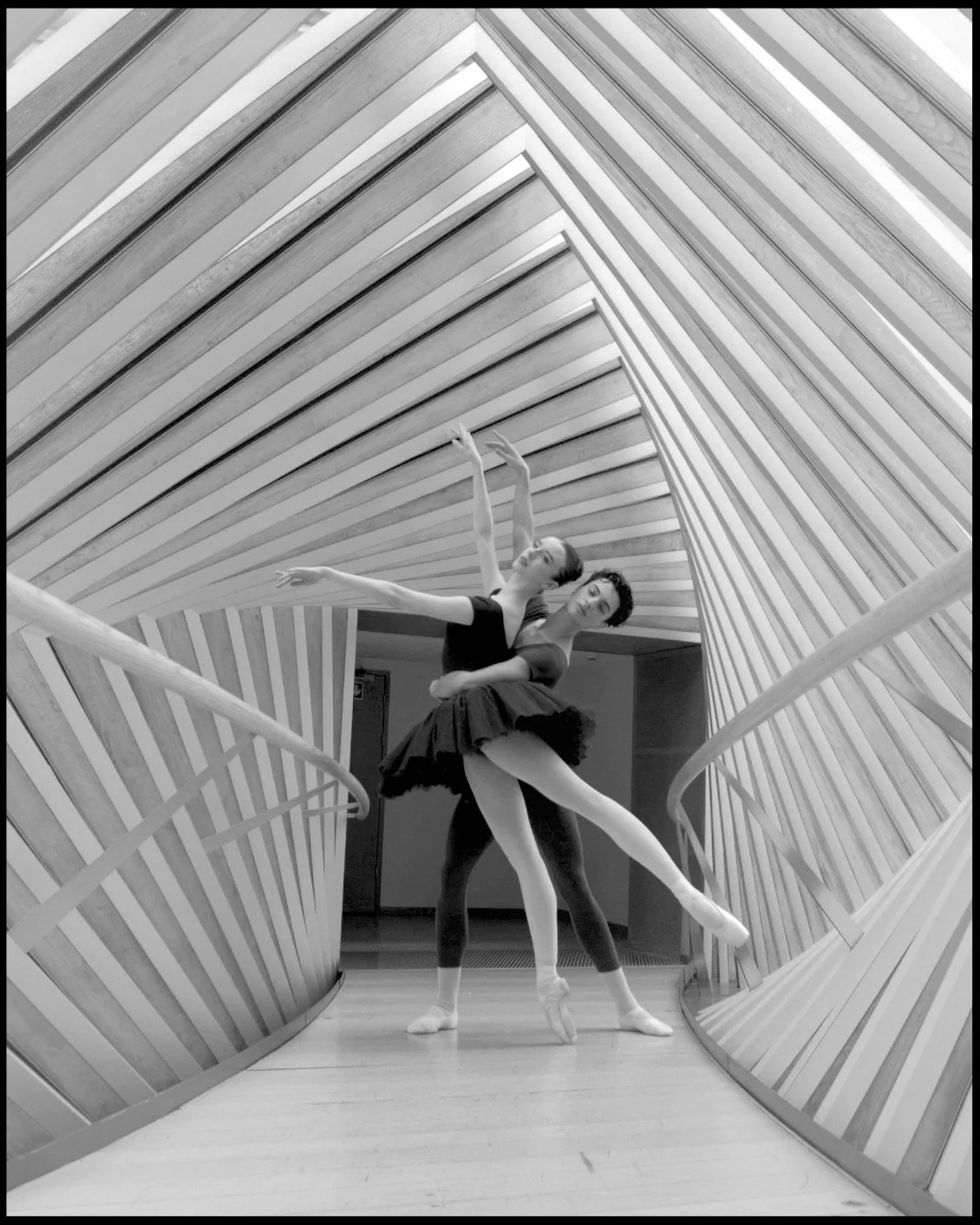
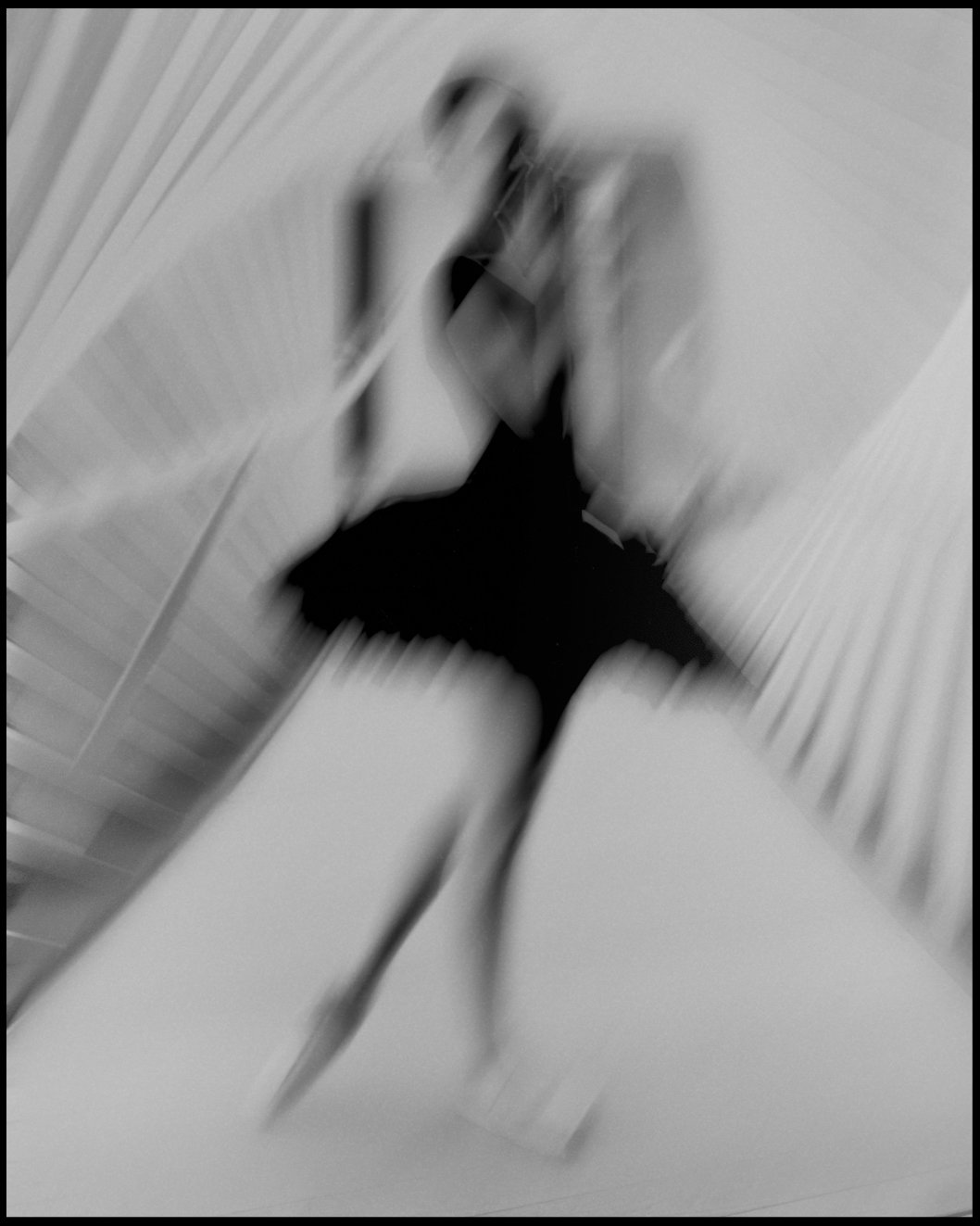
Chance a glance up in the evening, though, and you might catch a blur of pale pink moving across the glass. A ballerina in a leotard, crossing forty feet above the street, on their way to the Royal Opera House.
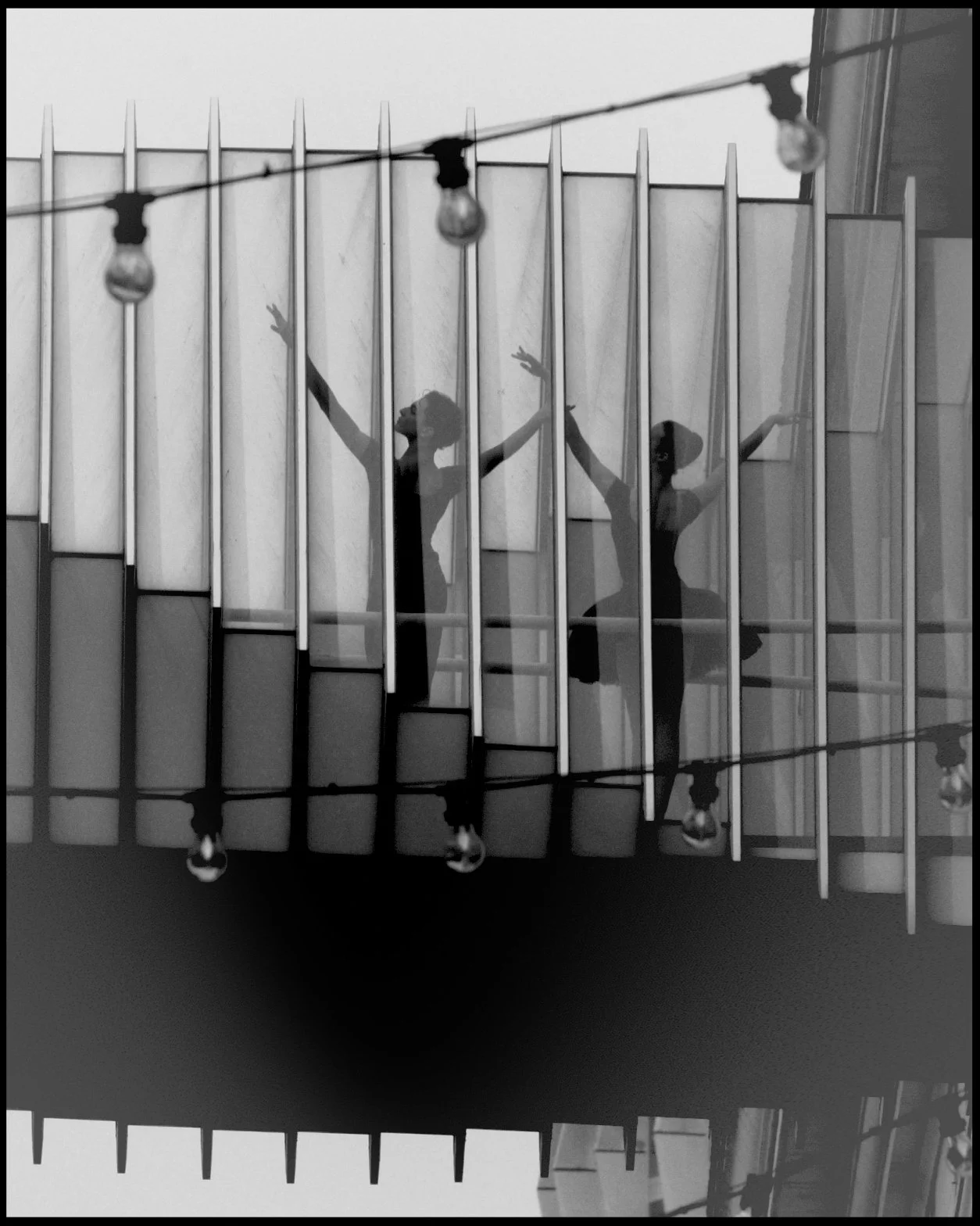
Prior to the bridge dancers would run the gauntlet from the ballet school to opera house at ground level.
Whatever the weather, clothed ready to perform, out onto Floral Street among the delivery vans and the shoppers, over the road and in through the other door. The bridge replaced a pavement.
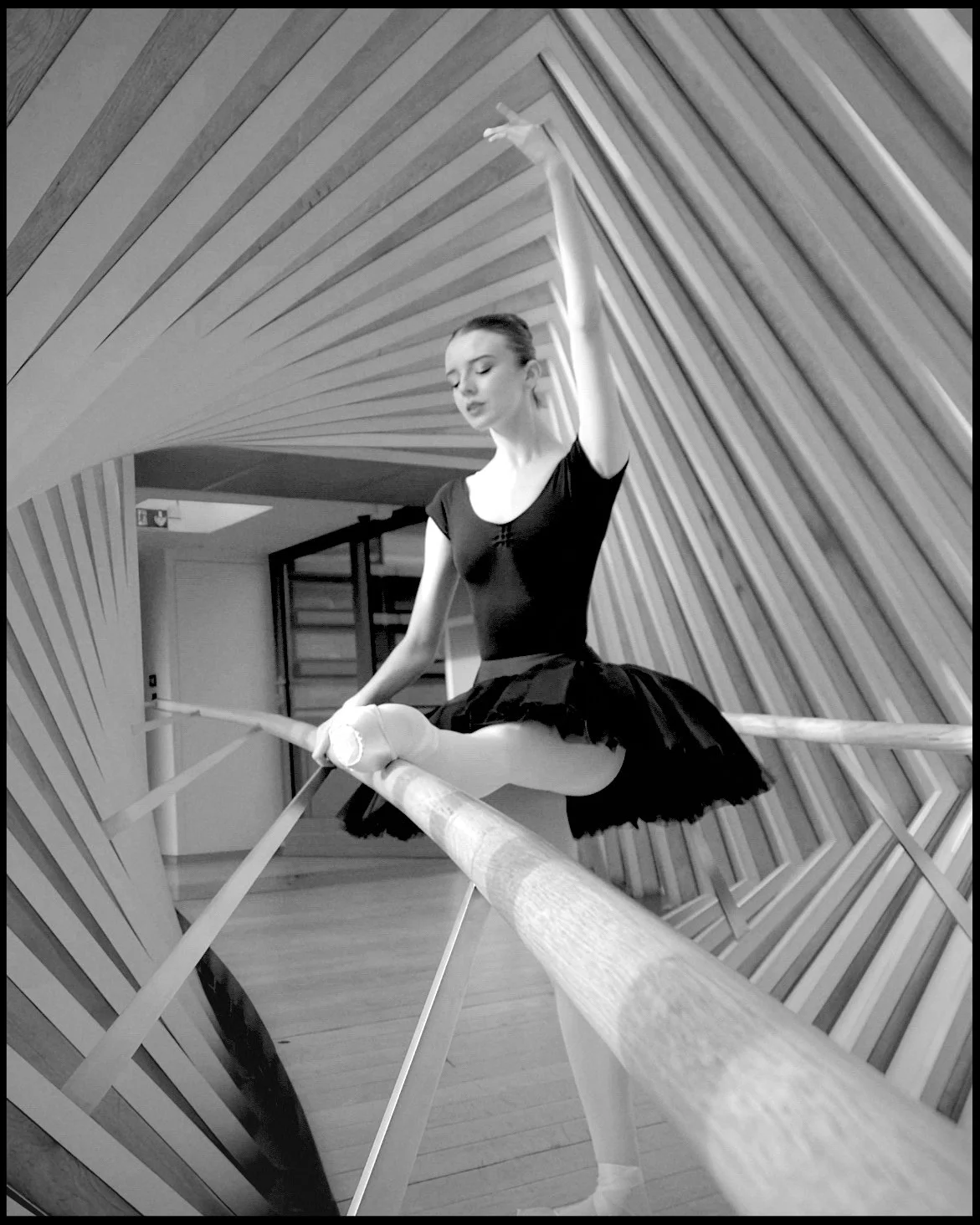
We started filming, and what came across straight away was the excitement.
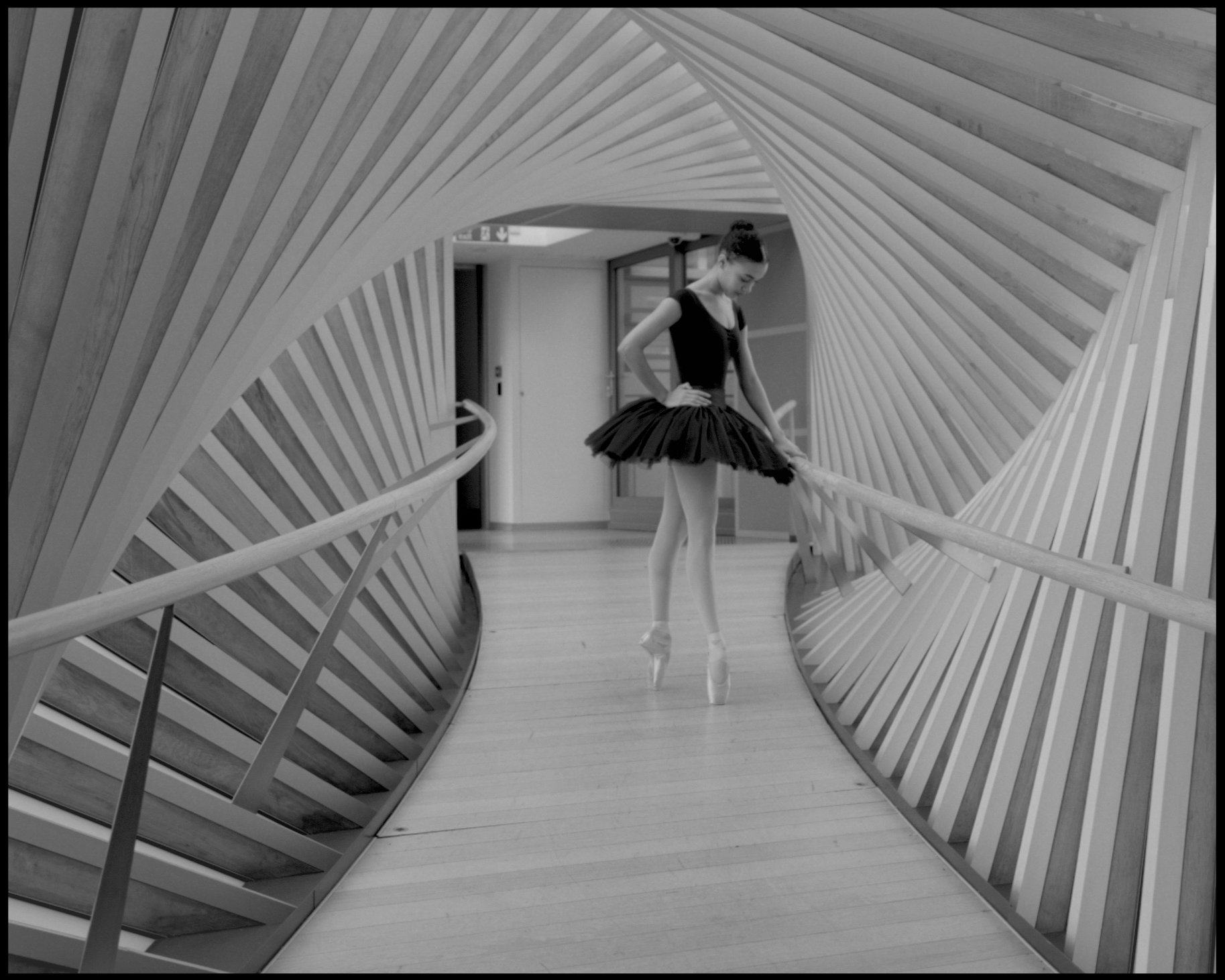
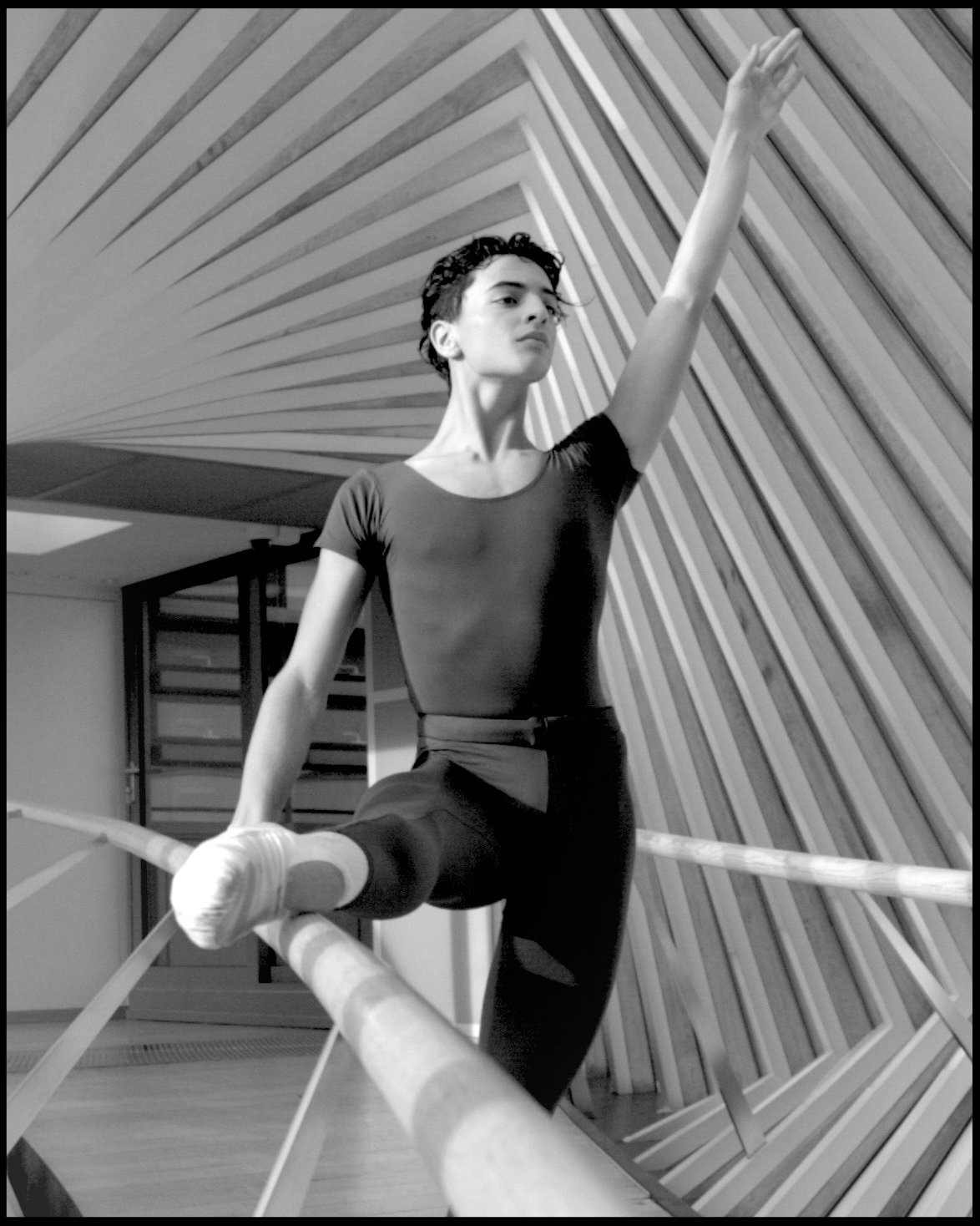
The young dancers know exactly what this bridge is. It isn’t a corridor to them. It is the link between the room where they train and the stage they are training for, and they are entirely aware of that every time they cross it.
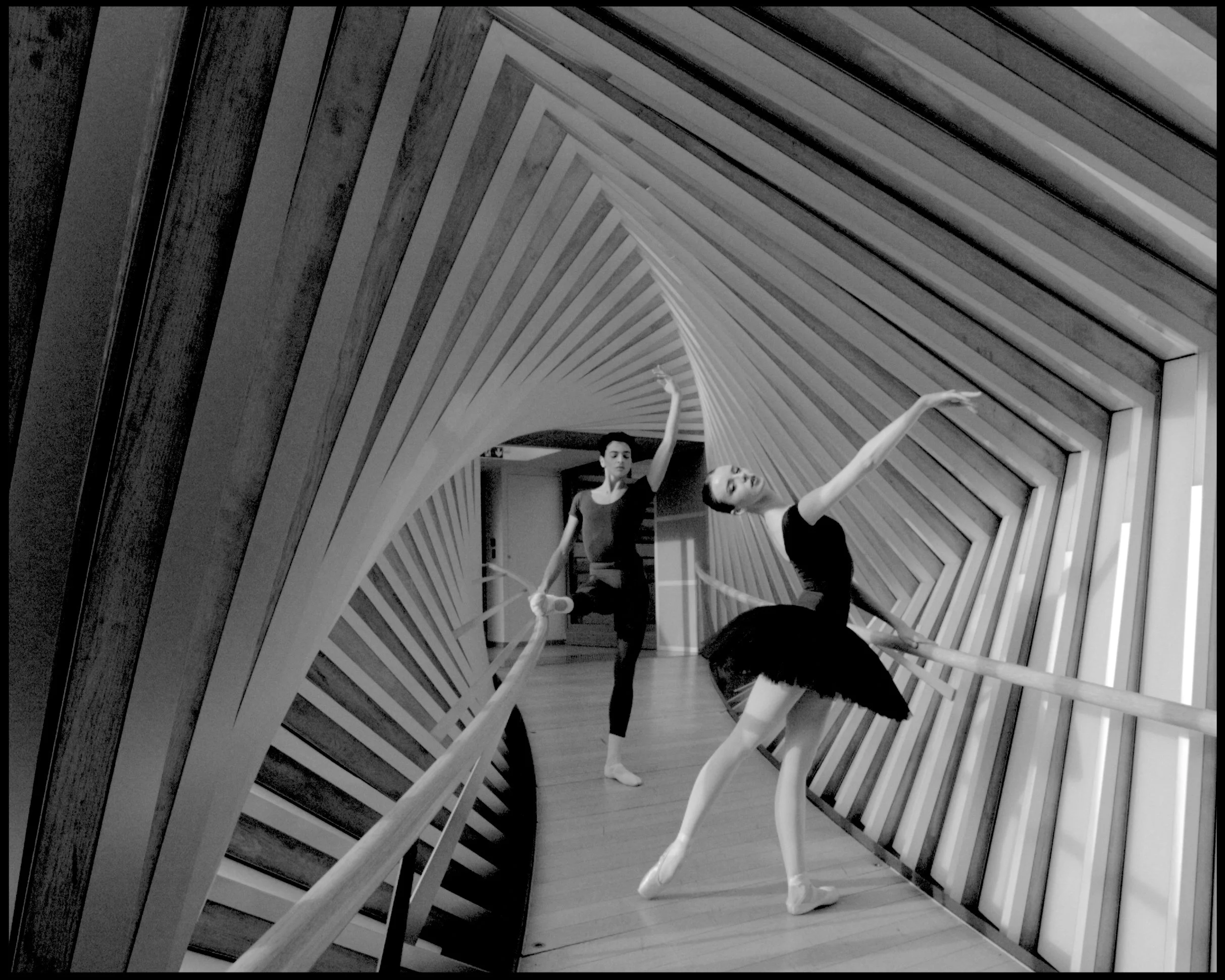
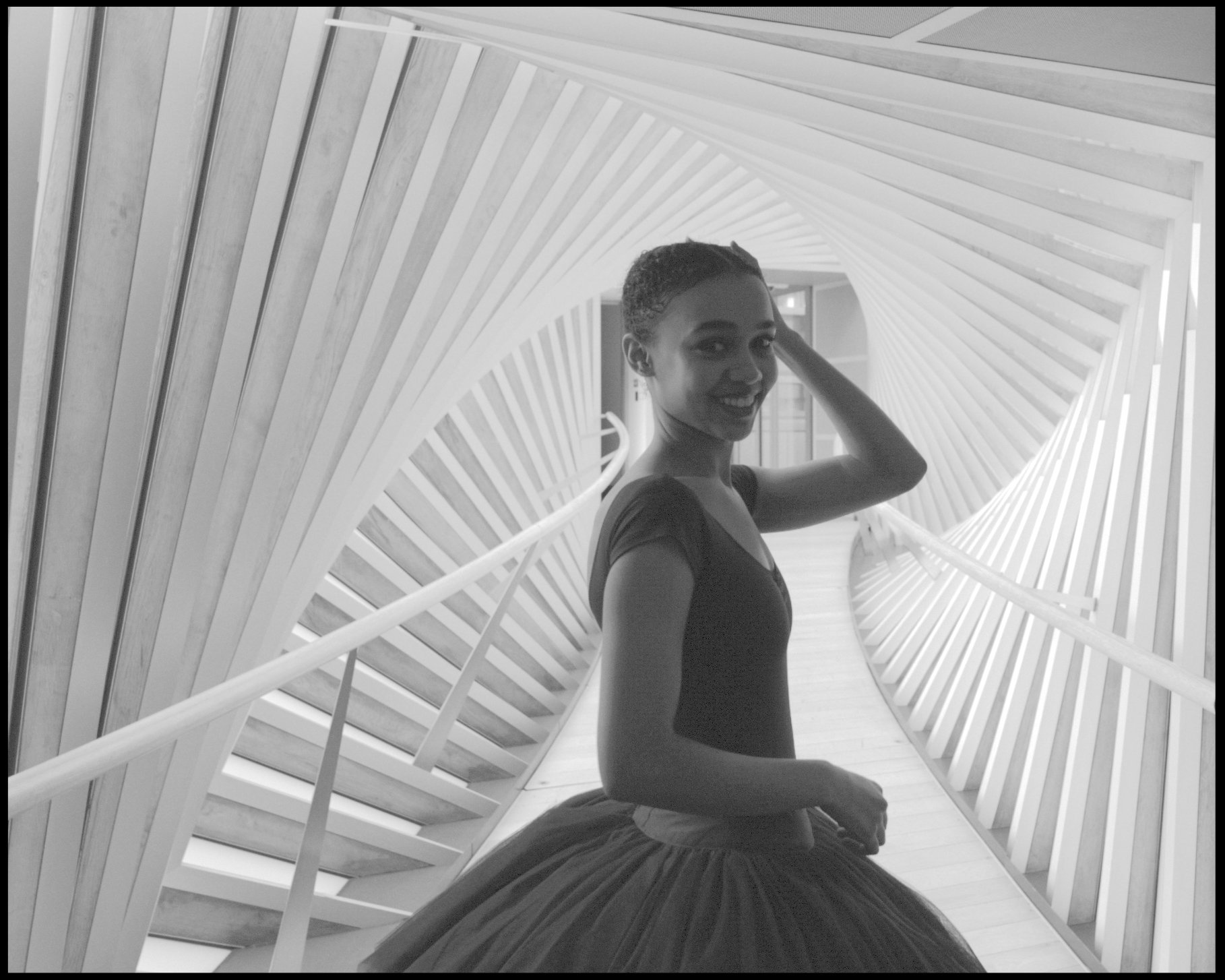
The bridge joins the Royal Ballet School to the Royal Opera House. Students on one side of Floral Street, the stage on the other.
It was originally named the Floral Street Bridge, the Bridge of Aspiration came naturally later on. The bridge runs from where you learn to where you hope to end up, and the walk takes about twenty seconds. The journey from plié to révérence takes a little longer.
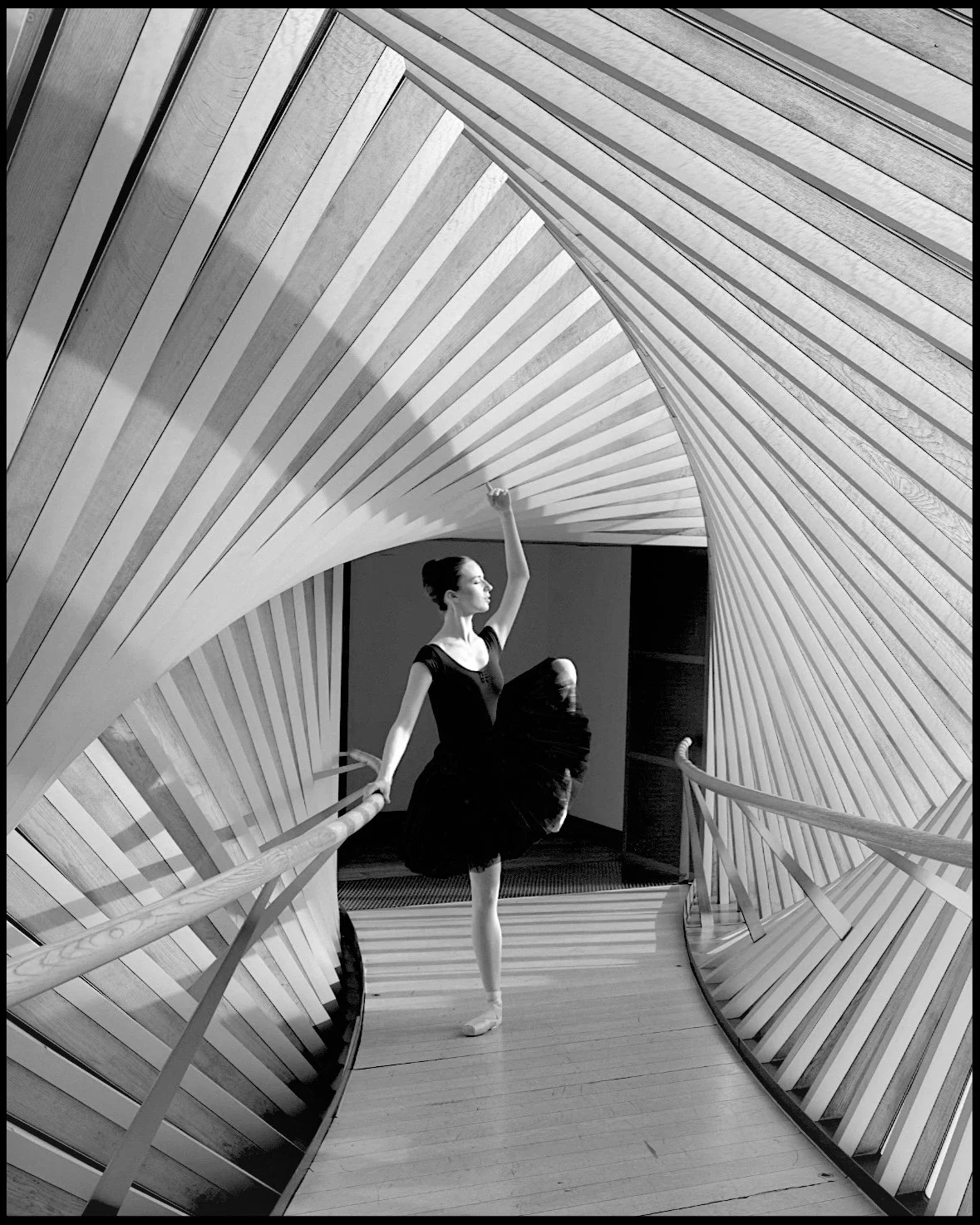
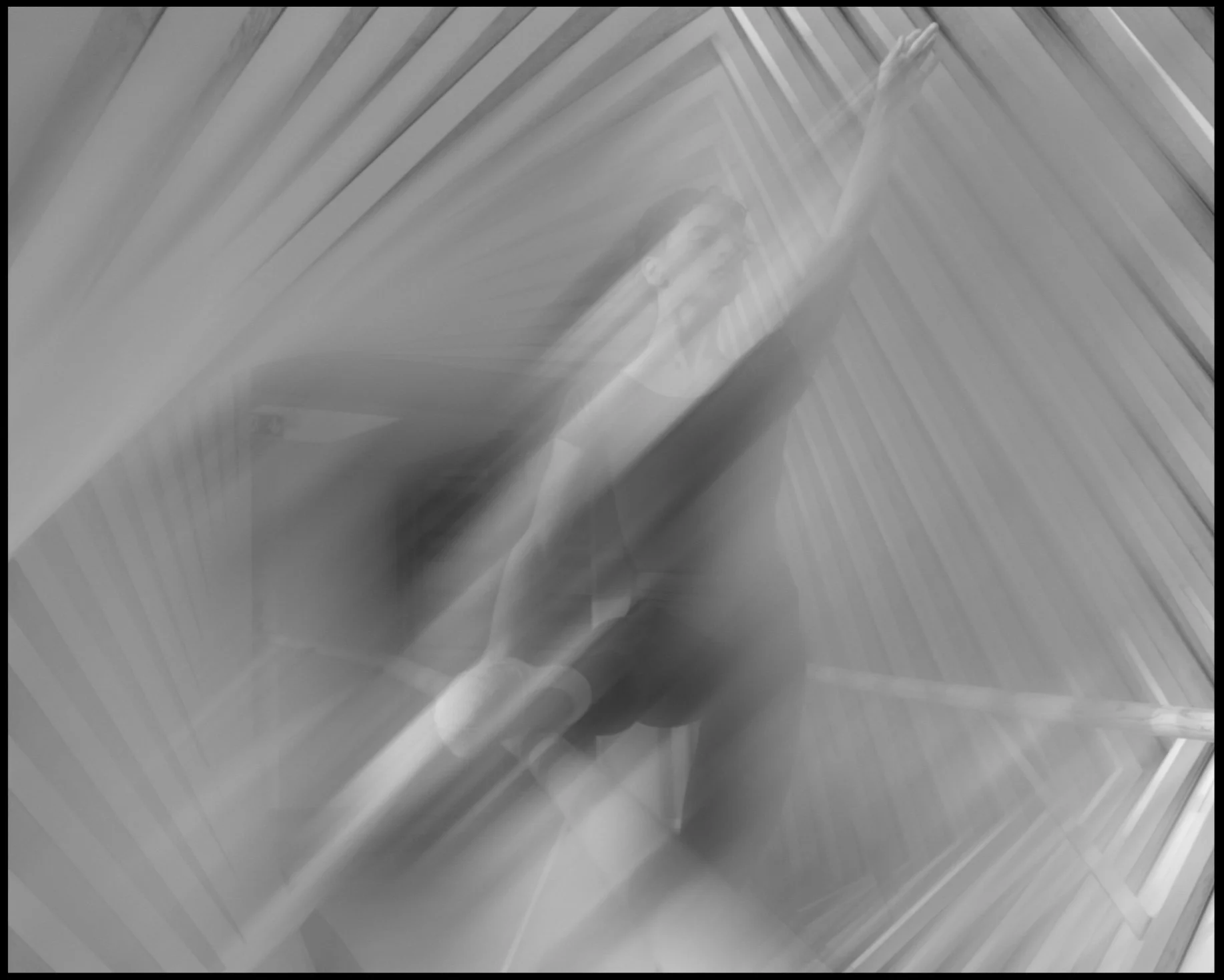
The glazing in each bay is two clear panels and two opaque, overlapping as they rotate. That is not decoration either. It hides the floor of the bridge from the street, it stops anyone crossing from looking into the windows of 44 Floral Street, and it leaves the two long views, east and west down the street open.
The problem handed to WilkinsonEyre was not a pretty one.
The two buildings do not line up. The doorway on the school side sits at a different level from the doorway on the Opera House side, and the two walls are skewed to one another, they are not parallel, and they are not square. A straight glazed box bolted between them would have met each wall at an awkward angle and announced the error for the next hundred years. To add to the complexity the windows’ angle of view needed to ensure the neighbours’ terraces were not overlooked.
So the form of the bridge is not a flourish. It is the misalignment itself, made visible and made graceful.
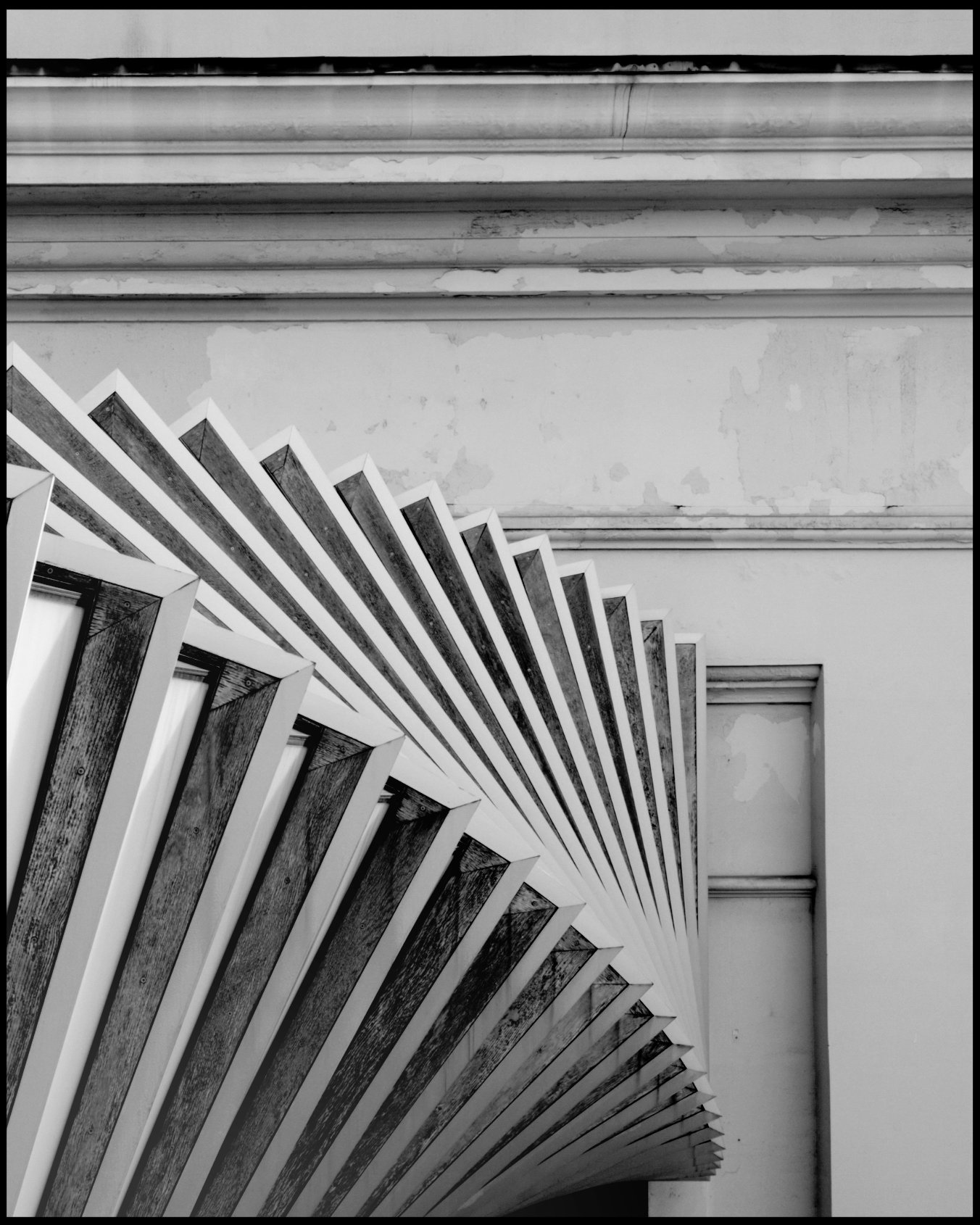
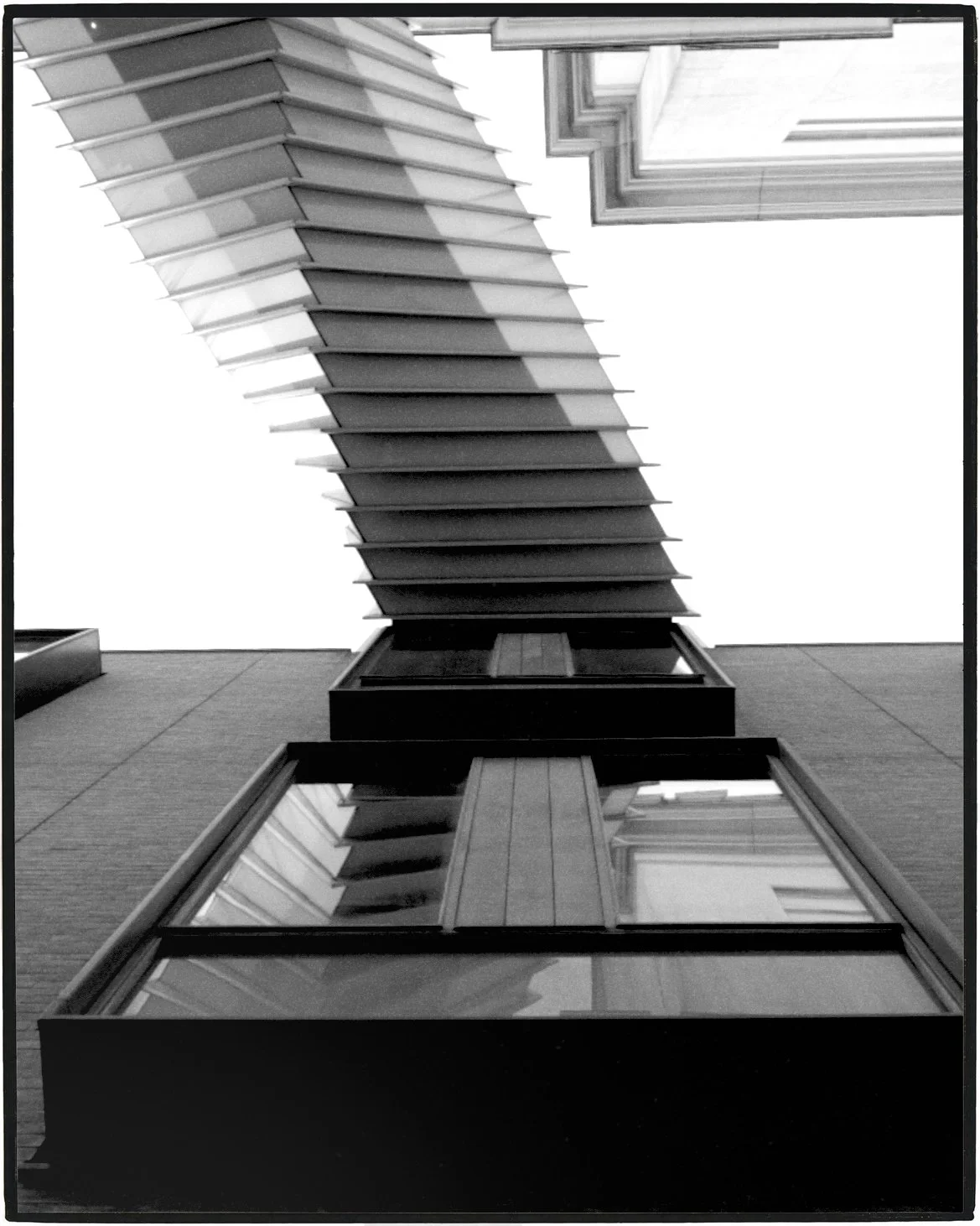
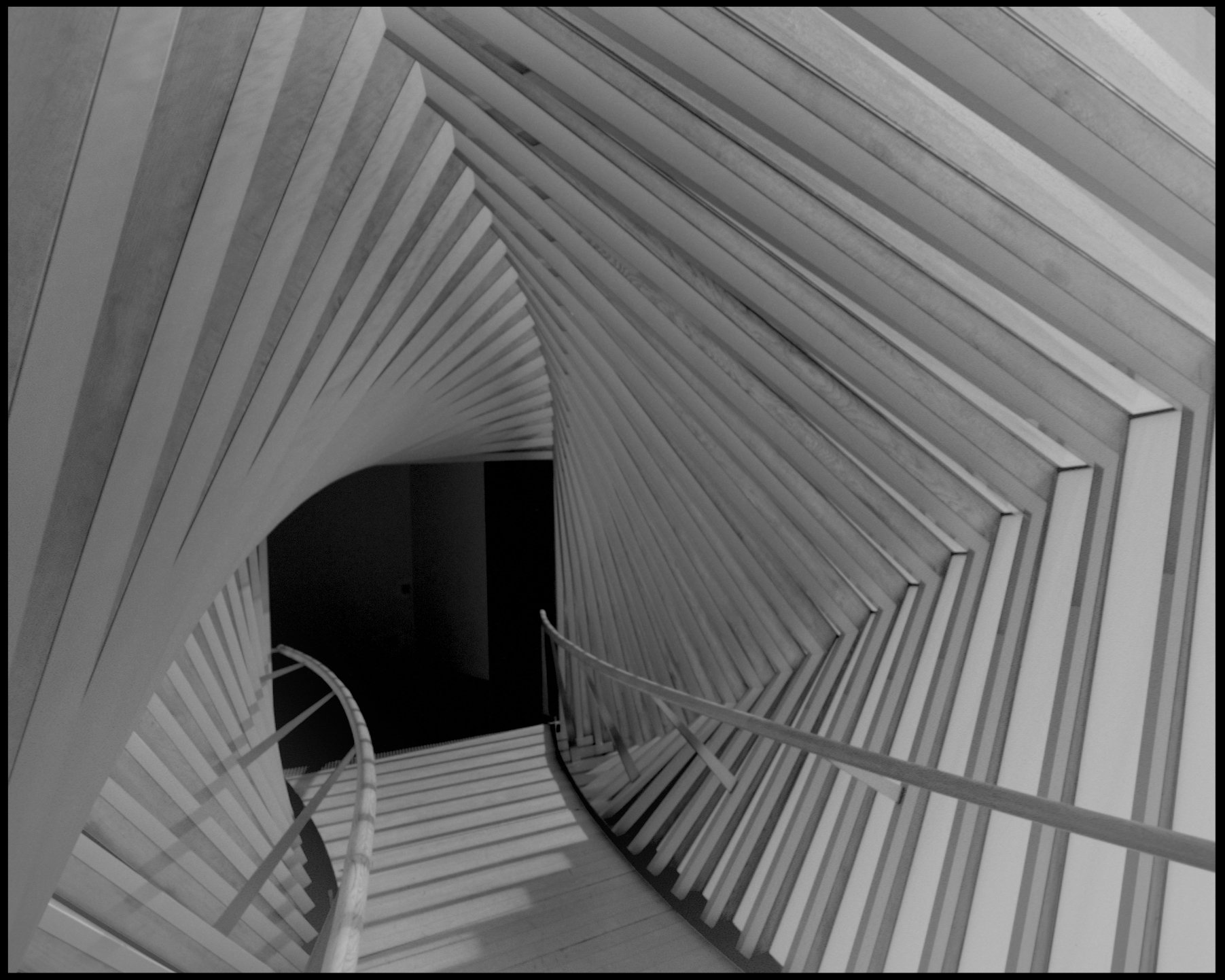
An aluminium spine beam runs the length of it, Eyre describes the structure as a sort of boat, hidden inside, designed with Ian Firth, then at Flint & Neill. Hung on that spine is a concertina of twenty-three square portals, with glass in the gaps between them.
Each portal is turned four degrees from the one before it. Twenty-three of those, and the bridge has performed a quarter-turn between one building and the other. It starts square to the school and arrives square to the Opera House, and does all of its reconciling in between, in public, in the air.
The bridge won a RIBA Award the year after it opened. Then in 2024 an award that prompted our revisit and short film - Architecture Today's award for buildings that have stood the test of time. The judges called it "playful and poetic... a gift to the city that never ceases to be surprising, yet somehow looks as though it was always meant to be there."
All of which is true, and none of which is what you see from the pavement.
From the pavement you see a twist of glass and metal that most people walk under without noticing. And occasionally, if you look up at the right moment, a fifteen-year-old aspiring to perform at the opera house.